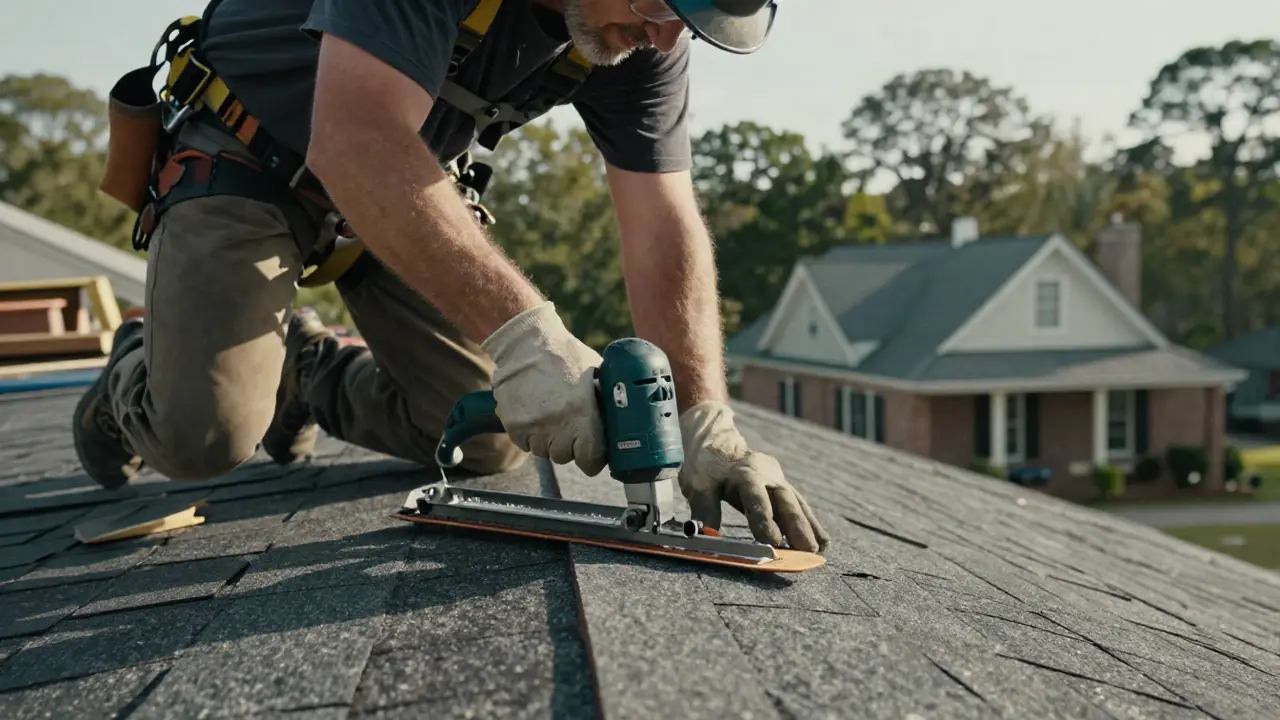
What Louisiana Roofing Contractors Are Required to Be Licensed For in 2026
Louisiana requires a state license for most roofing work over $50,000, plus commercial and structural jobs. Here's exactly what needs a license in Baton Rouge in 2026.
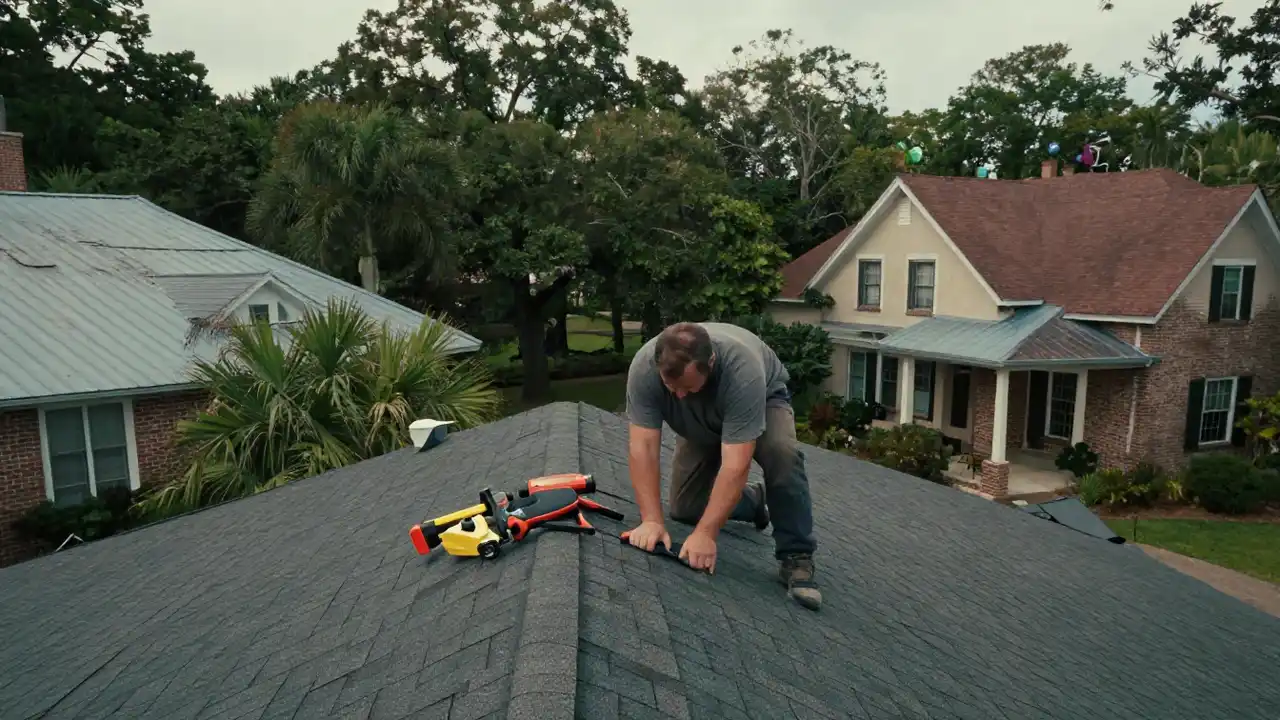
In Louisiana, a roofing contractor must hold a state license from the Louisiana State Licensing Board for Contractors (LSLBC) for any roofing project valued at $50,000 or more, for all commercial roofing work, and for any job that involves structural changes to the roof. Residential repairs and small re-roofs under that threshold do not require a state license, but they still require a local permit in most Baton Rouge parishes. The rest of this post breaks down exactly which jobs need a license, how to verify one in Baton Rouge, and what happens when you hire someone who is not licensed.
The Short Answer: What Roofing Work Requires a Louisiana License in 2026
Louisiana roofing contractor license requirements 2026 is a set of rules that determine when a roofer must be state-licensed to legally bid, contract, or perform roofing work in Louisiana. The threshold is $50,000 for residential projects, and any commercial roofing job requires a license regardless of price.
Here is the breakdown as of 2026:
- Residential roofing over $50,000 - state license required (Residential Building Contractor or Specialty: Roofing).
- Any commercial roofing job - state license required (Commercial Building Contractor or Specialty: Roofing).
- Roofing that changes the structure - state license required, even on a house, even under $50,000.
- Roofing under $50,000 on a residential property with no structural change - no state license required, but a local permit is usually required.
That last category is where most Baton Rouge homeowners live. A typical asphalt shingle tear-off and replacement on a 2,000-square-foot home runs $12,000 to $22,000 in 2026, well under the state threshold. But that does not mean you should hire anyone with a truck and a ladder. Local permits, insurance, and workmanship still matter, and the contractor you hire should be able to show you a license if the job crosses into commercial or structural territory.
Residential vs. Commercial Roofing Licenses in Louisiana
Louisiana issues different licenses for residential and commercial roofing, and the two are not interchangeable. A Residential Building Contractor license lets you work on homes and small multi-family buildings. A Commercial Building Contractor license covers offices, retail, warehouses, and anything that is not a residence.
There is also a Specialty: Roofing classification. That one is narrower - it covers roofing only, not the full scope of building. Many roofers in Baton Rouge carry the specialty license because it is faster to obtain and matches what they actually do.
To get any of these licenses, you need to pass the LSLBC exam, which includes a business and law portion plus a trade-specific section. The roofing trade exam covers flashing details, membrane systems, slope calculations, and Louisiana-specific wind and hail requirements. You also need to show proof of insurance and a surety bond. The license must be renewed every year, and continuing education is required.
If you are hiring for a commercial building in Baton Rouge, ask for the Commercial Building Contractor license number. If you are hiring for a large residential job, ask for the Residential Building Contractor number. If the roofer only has a specialty license, confirm that the scope of your job fits within it.
What Roofing Work Does NOT Require a State License
Roof repairs and small residential re-roofs under $50,000 do not require a state license in Louisiana, but they do require a local permit in East Baton Rouge Parish and most surrounding parishes. That permit is your main protection on a small job.
Here is what falls under the no-state-license category:
- Patching a leak on a shingle roof.
- Replacing a few damaged shingles after a storm.
- Sealing flashing around a chimney or vent.
- Full tear-off and replacement on a single-family home under $50,000.
- Gutter work that does not involve the roof structure.
Even though the state does not require a license for these jobs, we still recommend hiring a contractor who carries general liability insurance and workers' compensation. If a roofer falls off your roof and has no workers' comp, you can be on the hook for medical bills. That is not a risk worth taking to save a few hundred dollars.
For roof repairs in Baton Rouge, we handle the permit paperwork and make sure the work meets the current Louisiana Uniform Construction Code. If you need a small repair, we can usually get it done without a state-licensed contractor on site, but we still pull the permit and do the job to code.
How to Verify a Roofing Contractor License in Baton Rouge LA
You can verify a roofing contractor license in Baton Rouge LA through the Louisiana State Licensing Board for Contractors website. The LSLBC maintains a free public search where you enter the contractor's name or license number and see the status, classification, and expiration date.
Here is the step-by-step:
- Go to the LSLBC website and find the "Verify a License" tool.
- Enter the contractor's business name or the license number they gave you.
- Check that the status says "Active" and that the classification matches your job (Residential, Commercial, or Specialty: Roofing).
- Check the expiration date - a license that expired last month is not valid.
- Look for any disciplinary actions listed.
If the contractor cannot give you a license number, that is a red flag. A licensed roofer keeps that number on their truck, their estimate, and their website. If they dodge the question, move on.
For local work, you can also check with the East Baton Rouge Parish permit office to see if the contractor has pulled permits in the area. A roofer who has never pulled a permit in Baton Rouge is either new or working without them. Both are worth a second look.
We keep our license information and insurance certificates on file and hand them over before any work starts. If you are comparing roofers, ask each one for the same documents and compare them side by side.
Penalties for Unlicensed Roofing in Baton Rouge LA
Penalties for unlicensed roofing in Baton Rouge LA can include fines up to $5,000 per violation, a cease-and-desist order, and in some cases criminal charges. The LSLBC can also bar the unlicensed contractor from bidding on future work in Louisiana.
But the real cost falls on you, the homeowner. If an unlicensed roofer does a bad job, you have almost no recourse. The LSLBC cannot discipline someone who was never licensed. Your homeowners insurance may deny a claim if the work was done by an unlicensed contractor. And if the roofer gets hurt on your property, your liability exposure goes up.
There is also the permit problem. If a roofer pulls a permit under someone else's license - a practice called "borrowing a license" - the permit is invalid. When you go to sell your house, the buyer's inspector will find the unpermitted work, and you will pay to fix it twice.
In 2026, the LSLBC has stepped up enforcement in the Baton Rouge area after several storm-chasing crews left homeowners with leaking roofs and no way to collect. If you suspect an unlicensed roofer is working in your neighborhood, you can report them to the LSLBC. The board takes those reports seriously.
Common Mistakes Homeowners Make When Hiring Roofers
The biggest mistake is assuming that a business license or a tax ID number is the same as a state contractor license. They are not. A business license lets someone operate a company; a state contractor license lets them legally do roofing work over the threshold. Ask for the LSLBC number specifically.
Here are the other mistakes we see most often:
- Paying a large deposit upfront. A reputable roofer will ask for a deposit to cover materials, usually 10% to 30%. If someone wants 50% or more before the dumpster arrives, walk away.
- Not checking insurance. Ask for a certificate of insurance and call the agent to confirm it is active. A PDF can be faked; a phone call cannot.
- Hiring based on the lowest bid. The lowest bid usually means cheaper materials, no permit, or no workers' comp. On a roof, that difference shows up in two years.
- Skipping the written contract. Louisiana requires a written contract for residential construction over $7,500. If a roofer will not put the scope, price, and timeline in writing, do not hire them.
- Ignoring the permit. In East Baton Rouge Parish, a roof replacement requires a permit. If your roofer says you do not need one, they are wrong.
We see these mistakes every week in Baton Rouge, especially after a hail storm when out-of-state crews flood the market. Those crews are often unlicensed, uninsured, and gone by the time your ceiling starts leaking.
When to Call a Professional
Call a professional roofer when you see sagging decking, granules in your gutters, or a ceiling stain that grows after rain. Those are signs of a problem that will not fix itself, and a small repair now is cheaper than a deck replacement later.
If your roof is over 15 years old and you have had two or more leaks in the last year, it is time for a full assessment. We can tell you whether a repair will hold or whether you are throwing money at a roof that needs to be replaced.
At Red Stick Roof Repair, we handle everything from a single missing shingle to a full commercial re-roof. We pull the permit, do the work to code, and clean up before we leave. If you are not sure whether your job requires a licensed contractor, call us and we will tell you straight - even if the answer is that you only need a small repair.
Frequently Asked Questions
Do roofing contractors need a license in Louisiana?
Yes, for any roofing job valued at $50,000 or more, any commercial roofing work, and any job that changes the roof structure. Residential repairs and small re-roofs under $50,000 do not require a state license, but they still need a local permit in most parishes.
What roofing jobs require a license in Baton Rouge LA?
Commercial roofing of any size, residential roofing over $50,000, and any roofing that involves structural changes. A typical shingle replacement on a Baton Rouge home runs $12,000 to $22,000, so it usually falls under the state threshold but still requires a parish permit.
How do I check a roofing contractor license in Louisiana?
Use the Louisiana State Licensing Board for Contractors website. Enter the contractor's name or license number, confirm the status is active, check the classification matches your job, and look at the expiration date. The search is free and takes about two minutes.
What happens if a roofer is unlicensed in Baton Rouge?
The LSLBC can fine them up to $5,000 per violation and issue a cease-and-desist order. For you, the bigger risk is that your insurance may deny a claim, the permit may be invalid, and you will have no recourse if the work fails.
Are roofing licenses required for roof repairs in Louisiana?
No, not for repairs under $50,000 on a residential roof with no structural change. But you should still hire a contractor with liability insurance and workers' comp, and you should still pull a permit for anything beyond a minor patch.
Get Help with Roofing in Baton Rouge
If you need a roofer who knows the Louisiana licensing rules and does the work right, call Red Stick Roof Repair. We serve homeowners and businesses across Baton Rouge, from Downtown to Mid City and beyond.
Call us at 12345678 to schedule an inspection or get a straight answer on whether your job needs a licensed contractor.