Focused arrival windows
Useful updates and clear arrival timing.
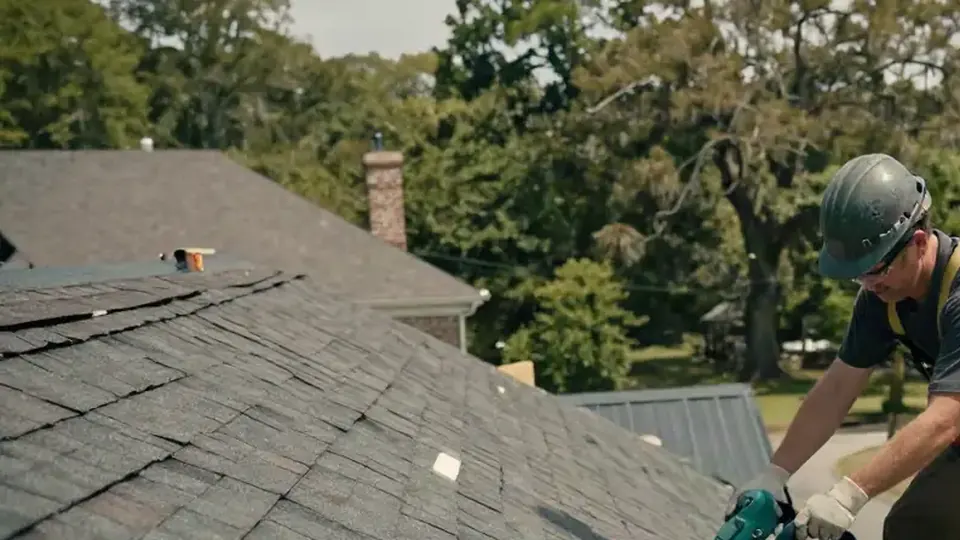
When you need roofing in Downtown Baton Rouge, you need a crew that knows how these older buildings shed water. Spanish Town cottages, Beauregard Town two-stories, and CBD commercial roofs all fail differently. We handle roof replacement, leak repair, and inspections across 70801, 70802, and 70821. One call and we are on your roof.
Useful updates and clear arrival timing.
Review the approach and price before deciding.
Equipped vehicles and respectful cleanup.
Neighbors serving neighbors with follow-through.
Downtown Baton Rouge roofing is not the same as roofing in a new subdivision. The building stock here runs from 1800s Creole cottages in Spanish Town to mid-century commercial buildings near the Louisiana State Capitol. Each one has its own quirks. Historic structures often have multiple roof layers, undersized flashing, and rafters that were never engineered for modern shingle weights. We have spent years climbing these roofs, and we know where the trouble spots hide. Our team handles everything from emergency leak calls during a summer downpour to full tear-offs on Beauregard Town homes. We pull permits through the East Baton Rouge Parish system, we follow the Louisiana State Licensing Board for Contractors requirements, and we install GAF and Owens Corning systems that hold up to Gulf humidity. Whether you own a shotgun house near the USS Kidd Veterans Museum or manage a commercial building in the CBD, we bring the same standard: show up, diagnose it right, and fix it so it stays fixed.
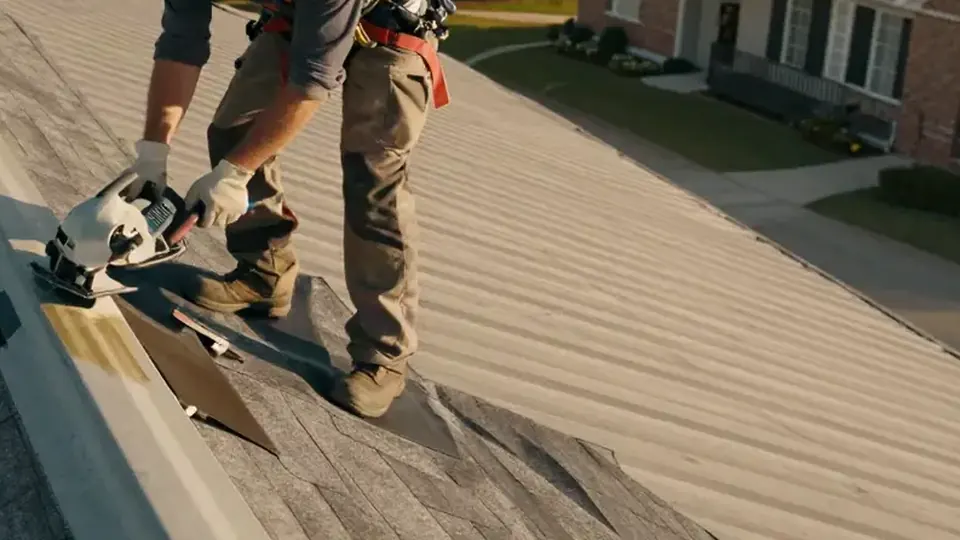
We offer full-service roofing in Downtown Baton Rouge, from emergency repairs to complete replacements. If you have been searching for a roofing contractor in Downtown Baton Rouge LA near me, we are the crew that answers the phone and shows up. Our services cover every building type in the district.
New roof installation in Downtown Baton Rouge means working around tight lots, historic facades, and mature trees. We install architectural shingles, metal roofing panels, and TPO membrane systems depending on your building. For Spanish Town cottages, we match the low-profile look. For CBD commercial buildings, we spec Firestone or Carlisle SynTec systems that handle foot traffic and HVAC equipment.
View service →02Full roof replacement in Beauregard Town and Arlington often uncovers multiple old layers that need to come off before we start. We tear down to the deck, replace any rotten sheathing, and install ice and water shield in the valleys. Then we lay Owens Corning Duration shingles or your chosen system. Most homes take two to four days depending on size and access.
View service →03Leak repair in Downtown Baton Rouge is our most common emergency call. Historic buildings leak at flashing, chimneys, and valleys. We use moisture meters and infrared cameras to find the source instead of guessing. Once we locate it, we repair the flashing, replace damaged shingles, and seal penetrations. Same-day service is available for active leaks.
View service →04A roof inspection in Downtown Baton Rouge LA gives you a clear picture before you buy a historic property or file an insurance claim. We check shingles, flashing, ventilation, and decking. We document everything with photos and give you a written report. Inspections take one to two hours for most residential roofs and longer for commercial buildings.
View service →05Maintenance plans keep Downtown Baton Rouge roofs ahead of problems. We clear debris from valleys, reseal flashing, check ridge vents, and replace cracked pipe boots. For commercial properties in Catfish Town, we schedule quarterly visits. For homes, twice a year works well. Maintenance extends roof life and catches small issues before they become leaks.
View service →Roofing near Downtown Baton Rouge requires planning that suburban crews never deal with. Parking is tight, streets are narrow, and many buildings sit shoulder to shoulder. We stage materials in driveways or permitted street spots and use ladder stabilizers to work safely on steep pitches. For commercial buildings, we coordinate with property managers on elevator access and roof hatch locations. Our crews carry roofing nail guns, shingle cutters, and pitch hoists to move material efficiently. We follow East Baton Rouge Parish permitting rules and pull permits before any tear-off begins. During hurricane season, we prioritize emergency tarping and temporary repairs so water stays out while we schedule permanent fixes. If you need emergency roofing Downtown Baton Rouge 24/7, we keep a crew on call.
Old layers add weight and hide deck damage. Tear-offs take longer and often reveal rot that needs replacing before new roofing goes down. This adds a day or more to the job. We inspect the deck after tear-off and replace any soft or rotted sheathing before installing underlayment. We use ice and water shield in valleys and around penetrations to prevent future leaks.
Wind uplift can peel back shingles and expose the deck during storms. Improperly nailed shingles fail first. This drives emergency calls every hurricane season. We follow manufacturer nailing patterns and use six nails per shingle in high-wind zones. We also check and replace ridge vents and flashing that wind can catch. After storms, we tarp and repair fast.
Constant moisture breeds algae growth and rusts metal flashing. Ponding water on flat commercial roofs accelerates membrane failure. Humidity also slows adhesive curing. We install algae-resistant shingles and use TPO membrane with heat-welded seams on flat roofs. We check drainage and add scuppers where water pools. We schedule adhesive work for dry days.
Any roof replacement or structural repair requires a permit. We pull permits before work starts so your project passes inspection and your insurance claim is not denied. This is not optional.
Roofing contractors in Louisiana must hold a state license. We carry the required license and can provide proof. Hiring an unlicensed crew puts you at risk for failed inspections and no recourse if something goes wrong.
Downtown Baton Rouge has specific conditions that cause roofing problems. The combination of historic buildings, heavy rain, humidity, and hurricane wind creates challenges you will not find in newer suburbs. Here are the issues we see most.
Older buildings often have original flashing that has rusted or pulled away from the chimney or wall. The materials used decades ago were not designed for modern rainfall intensity. Water gets behind the flashing and rots the deck. We remove the old flashing and install new step flashing and counter-flashing with proper overlap. We seal it with high-quality caulk and check the surrounding shingles for damage.
Downtown Baton Rouge humidity keeps roofs damp, especially on north-facing slopes that get less sun. Algae feeds on the limestone filler in asphalt shingles. It shows up as black streaks and shortens roof life. We install algae-resistant shingles when replacing roofs. For existing roofs, we clean the algae and apply a treatment that slows regrowth. We also check ventilation to reduce moisture.
Hurricane season runs June through November. High winds get under shingle edges and peel them back. If the shingles were not nailed properly, they fail faster. This is a recurring problem in exposed areas near the river. We follow manufacturer high-wind nailing patterns and use six nails per shingle. We also inspect ridge caps and edge metal, which are the first to fail in high winds.
Flat roofs need proper drainage to shed water. When drains clog or the roof settles, water pools and breaks down the membrane. This is common on older commercial buildings in the CBD and Catfish Town. We clear drains, add scuppers where needed, and repair membrane blisters with heat-welded patches. We also recommend quarterly maintenance to keep drains clear.
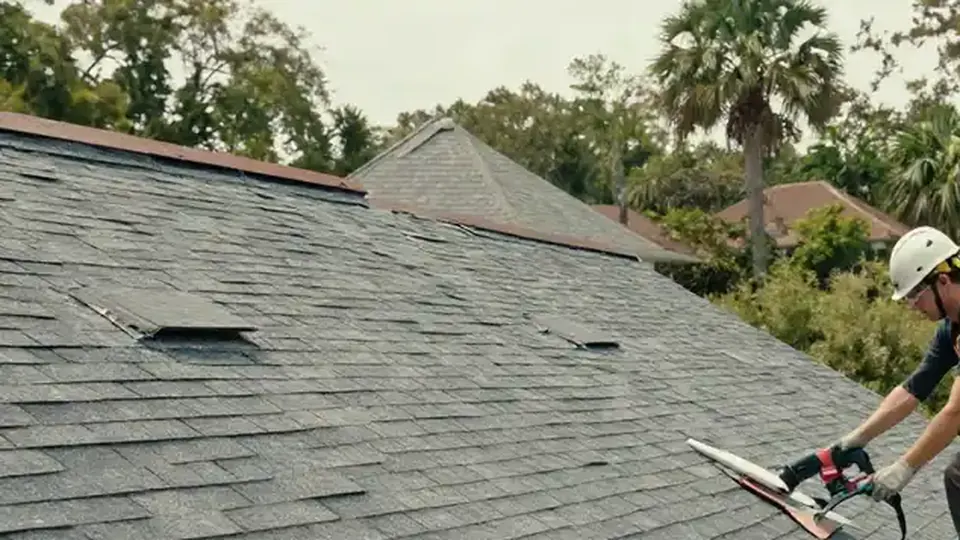
Downtown Baton Rouge is compact but easy to get turned around in if you do not know the one-way streets. We use landmarks to orient our crews and give customers clear arrival times. When you call, we can tell you exactly how far out we are based on where we are coming from.
The tallest building in Baton Rouge is visible from most of downtown. We use it as a compass point when dispatching crews. If you are near the Capitol, you are close to several of our regular service areas.
The Old State Capitol sits near the riverfront and marks the transition between the CBD and Spanish Town. We use it to route crews between commercial and residential jobs. It helps us avoid the worst of the downtown one-way grid.
The USS Kidd is moored on the Mississippi River near downtown. It is a useful reference point for riverfront addresses. When a customer says they are near the USS Kidd, we know exactly which streets to take.
The River Center is a major event venue downtown. We check the event calendar before scheduling work nearby because traffic and street closures can block access. Knowing the schedule saves everyone time.
The Shaw Center sits at the corner of Lafayette and Convention Streets. It is a central reference point for CBD and Catfish Town jobs. We use it to estimate arrival times and plan material drop-offs.
The CBD contains banks, law offices, and government buildings. Most have flat membrane roofs with HVAC equipment. Work here requires coordination with building management and often happens after hours or on weekends.
Catfish Town mixes entertainment venues, restaurants, and residential lofts. Roofs here face constant humidity from the river. We see a lot of algae growth and flashing rust in this area.
I-10 runs along the northern edge of downtown. We use the downtown exits to reach jobs quickly. During rush hour, we route around the worst congestion.
The Horace Wilkinson Bridge carries I-10 over the river. It is a major access point for crews coming from the west. We monitor bridge traffic when scheduling morning arrivals.
We work across every pocket of Downtown Baton Rouge. From the historic streets of Spanish Town to the commercial corridors of the CBD, our crews know the shortcuts and the parking tricks. Here are the areas we cover most.
Spanish Town has some of the oldest homes in Baton Rouge, many with original wood shingles or multiple layers of asphalt. The narrow streets and mature trees make access tricky. We know which alleys allow truck access and where to stage materials without blocking neighbors. We are usually on-site within 30 minutes for Spanish Town calls.
Beauregard Town mixes historic homes with professional offices. Roofs here range from steep Victorian pitches to flatter commercial sections. We handle both. The tree canopy drops debris that clogs valleys, so maintenance matters more here than in newer areas. Beauregard Town is a short drive from our staging area, typically 20 minutes.
The Central Business District has high-rise offices, hotels, and mixed-use buildings. Most roofs are flat TPO or EPDM membrane systems with HVAC equipment on top. We coordinate with building engineers for access and schedule work to avoid disrupting tenants during business hours. We reach CBD buildings within 15 to 25 minutes depending on traffic.
Catfish Town sits near the riverfront and includes a mix of commercial and residential buildings. Humidity and river fog keep roofs damp, which speeds up algae growth and rust on metal flashing. We use moisture meters to check for hidden water intrusion before it spreads. Catfish Town is minutes from our downtown base, usually 15 minutes or less.
These are real examples of roofing work we have done in Downtown Baton Rouge. Each one shows how we diagnose and solve problems specific to this area.
A Spanish Town homeowner had a persistent ceiling stain that three other roofers could not fix. They kept replacing shingles but the leak continued. We used an infrared camera to scan the ceiling and found the leak was coming from a cracked chimney flashing, not the shingles. We rebuilt the flashing with new step flashing and counter-flashing, then sealed it with polyurethane caulk. We also replaced the damaged underlayment around the chimney. The leak stopped immediately. The homeowner has had no water intrusion through two hurricane seasons since. We also scheduled annual maintenance to keep the flashing in good shape.
A CBD property manager had ponding water on a flat TPO roof that was causing membrane blisters and threatening to leak into tenant spaces below. We inspected the roof and found clogged drains and a low spot where water collected. We cleared the drains, added a new scupper to improve drainage, and repaired the blistered membrane sections with heat-welded TPO patches. We also installed a new drain strainer to prevent future clogs. Ponding water was eliminated. The membrane stopped blistering and the building has had no leaks since. The property manager now schedules quarterly maintenance with us.
A Beauregard Town homeowner needed a full roof replacement after hail damage. The roof had three layers of old shingles and several soft spots in the decking. We tore off all three layers, replaced 12 sheets of rotten plywood, installed new ice and water shield in the valleys, and laid Owens Corning Duration shingles in a color that matched the historic district guidelines. We also added ridge vents to improve attic ventilation. The new roof passed inspection and the homeowner received full insurance reimbursement for the tear-off and replacement. Attic temperatures dropped noticeably the following summer.
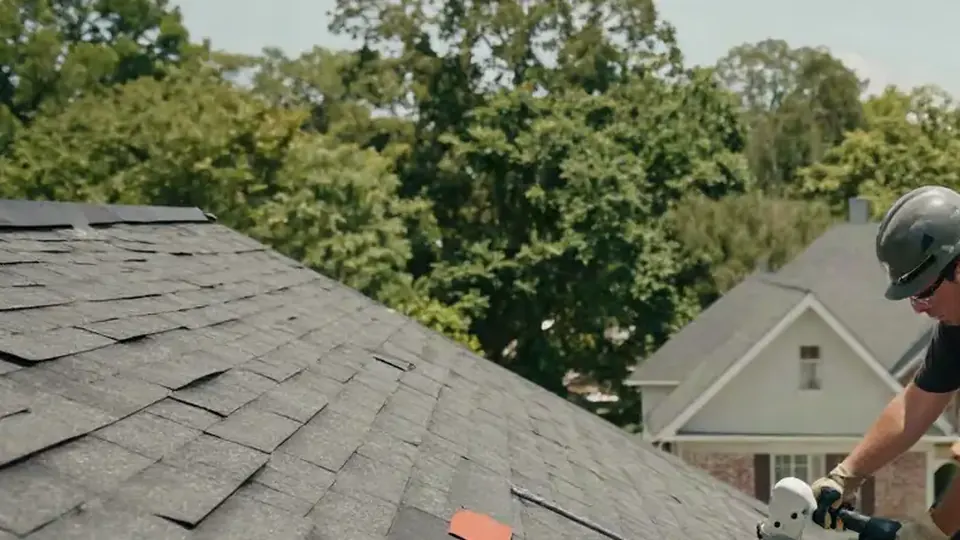
We had a leak that two other companies could not find. Red Stick Roof Repair sent a tech with an infrared camera and found the problem in 20 minutes. It was a flashing issue, not the shingles. They fixed it same day and charged a fair price. I have already recommended them to two neighbors in Spanish Town.
Our office building in the CBD had ponding water on the roof for months. Red Stick Roof Repair cleared the drains, added a scupper, and repaired the TPO membrane. No more leaks. They coordinated with our building engineer and worked around our tenants. Professional and easy to deal with.
After the last hail storm, we needed a full roof replacement on our Beauregard Town home. The crew was respectful of the historic district rules and helped us pick shingles that matched. They finished in three days and cleaned up every nail. The new ridge vents made a big difference in the attic heat.
Roofing in Downtown Baton Rouge changes with the seasons. What you need to watch for in November is different from what matters in July. Here is how the year breaks down.
Spring brings heavy rain and the start of storm season. Leaks that were dormant all winter suddenly show up. We get a lot of calls for flashing repairs and missing shingles after spring storms.
Summer heat and humidity are hard on roofs. Attic temperatures can exceed 140 degrees, which cooks shingles from underneath. Afternoon thunderstorms are frequent and can cause sudden leaks.
Fall is hurricane season's tail end. September and October can bring major storms. Leaves and debris clog valleys and drains, which leads to water backup. This is also a good time for maintenance before winter.
Winters are mild in Baton Rouge, but we do get freezes. Ice dams are rare but possible. More common is condensation in attics that lack proper ventilation. Cold snaps can also make shingles brittle.
We serve Downtown Baton Rouge and the surrounding areas. If you are just outside the downtown core, we likely cover you too. Here is how our coverage area breaks down.
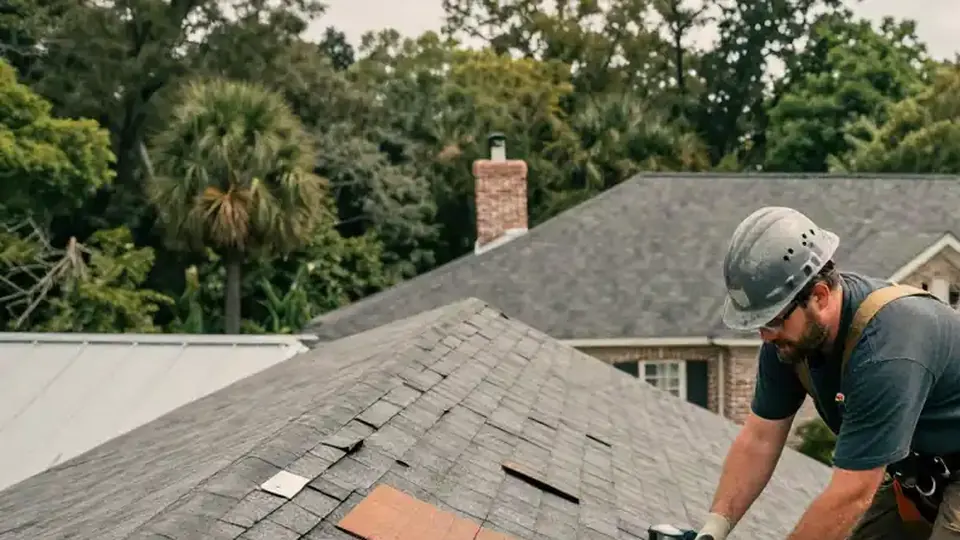
Mid City is just north of Downtown Baton Rouge, about 10 minutes away. Many of our customers live in Mid City and work downtown, so we serve both areas regularly.
Local coverage and details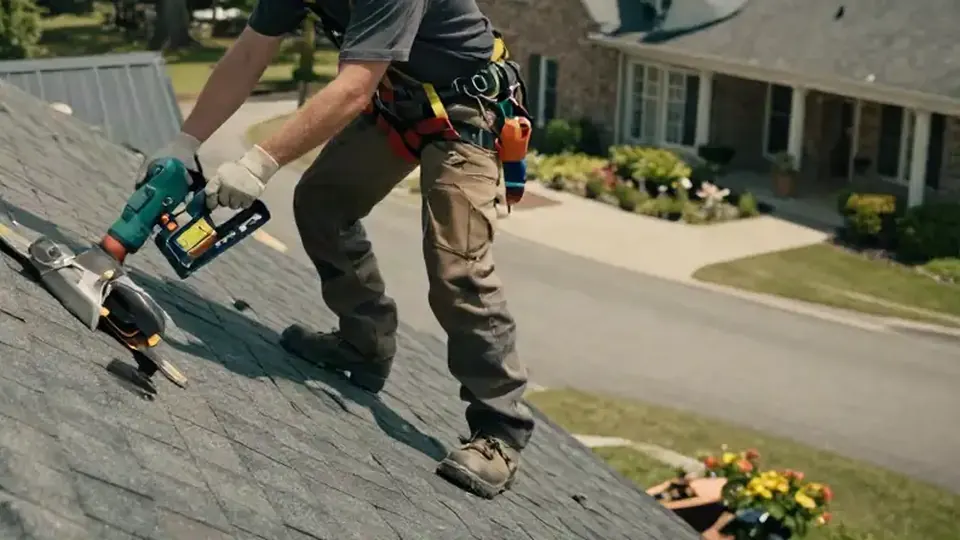
We also serve Port Allen. See local conditions, services and coverage details for that area.
Local coverage and details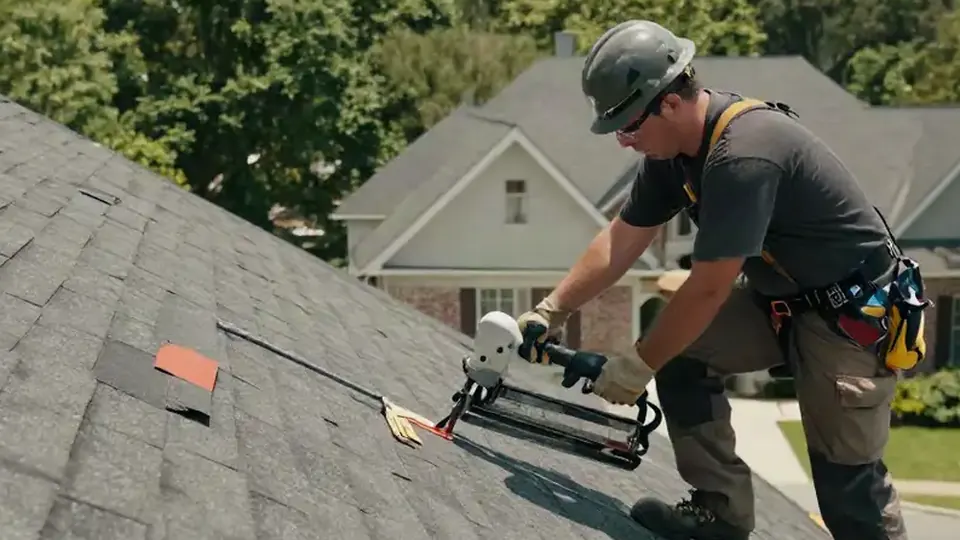
We also serve Prairieville. See local conditions, services and coverage details for that area.
Local coverage and detailsWe also serve Gonzales. See local conditions, services and coverage details for that area.
Local coverage and detailsWe also serve Port Allen. See local conditions, services and coverage details for that area.
Local coverage and detailsWe also serve Prairieville. See local conditions, services and coverage details for that area.
Local coverage and detailsWe also serve Gonzales. See local conditions, services and coverage details for that area.
Local coverage and detailsNot every roofing contractor in Downtown Baton Rouge is the same. Some are great. Some cut corners. These questions will help you tell the difference before you sign anything.
Louisiana requires roofing contractors to hold a state license. Insurance protects you if a worker gets hurt on your property. Ask for proof. If they cannot provide it, walk away.
East Baton Rouge Parish requires permits for roof replacements. A contractor who skips the permit is cutting corners. Unpermitted work can fail inspection and cause problems when you sell your home.
The right material depends on your roof pitch, building type, and budget. A good contractor explains the options and why one fits better than another. If they only offer one choice, they may not know the full range.
Older downtown buildings often have rotten decking under the shingles. Ask how they handle it and what it costs. A trustworthy contractor shows you photos and explains the repair before doing it.
Manufacturer warranties cover materials, but labor warranties cover installation mistakes. Ask for both in writing. A solid labor warranty is at least five years. Anything less is a red flag.
GAF
Owens Corning
Occupational Safety and Health Administration
$2M general liability and workers compensation
member
accredited
Most roof replacements in Downtown Baton Rouge run $9,000 to $16,000 for a typical home in 2026. Leak repairs cost $350 to $1,200. Commercial flat roofs are priced per square foot. Historic buildings with multiple layers or complex flashing cost more because tear-off and detail work take longer.
The best roofer is the one who shows up, diagnoses the problem correctly, and stands behind the work. Look for a licensed Louisiana contractor with local experience on historic and commercial buildings. Ask for references from Spanish Town or Beauregard Town. We are happy to provide them.
Yes. East Baton Rouge Parish requires a permit for roof replacement and structural repairs. We pull the permit before work starts. This protects you at inspection and ensures your insurance claim is not denied. Minor repairs may not need a permit, but replacements always do.
Start with referrals from neighbors or your property manager. Check that the contractor is licensed through the Louisiana State Licensing Board for Contractors and carries insurance. Read reviews from local customers. We serve the entire downtown area and can provide local references.
Yes. We offer 24/7 emergency roofing in Downtown Baton Rouge. If you have an active leak or storm damage, call us and we will dispatch a crew. We tarp and stabilize the roof first, then schedule the permanent repair. Response time is usually under two hours during the day.
Not seeing your question? Our local team can help you understand urgency, scheduling and what to expect.
Ask the local team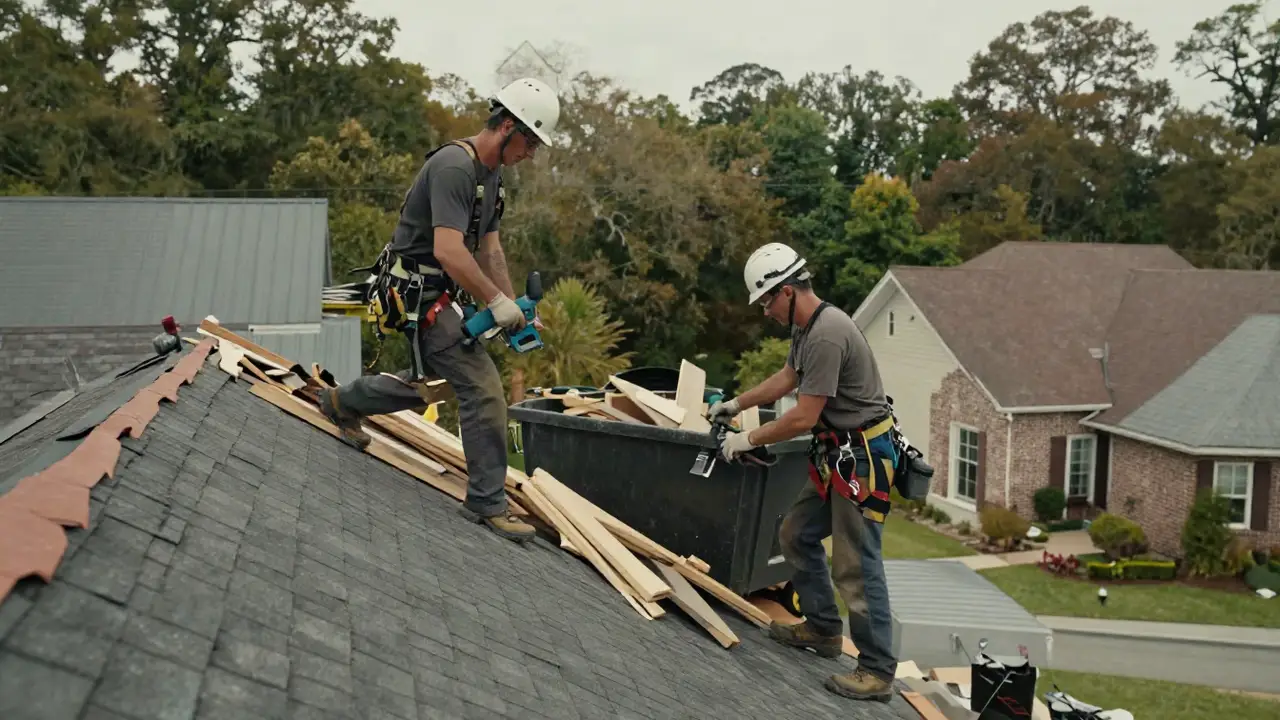
Call us or send a message and we will get back to you the same business day. We schedule inspections within 24 to 48 hours, and storm calls jump the line. Our office is open Monday through Friday, 8:00 to 18:00, with 24/7 emergency response for active leaks and storm damage.