Focused arrival windows
Useful updates and clear arrival timing.
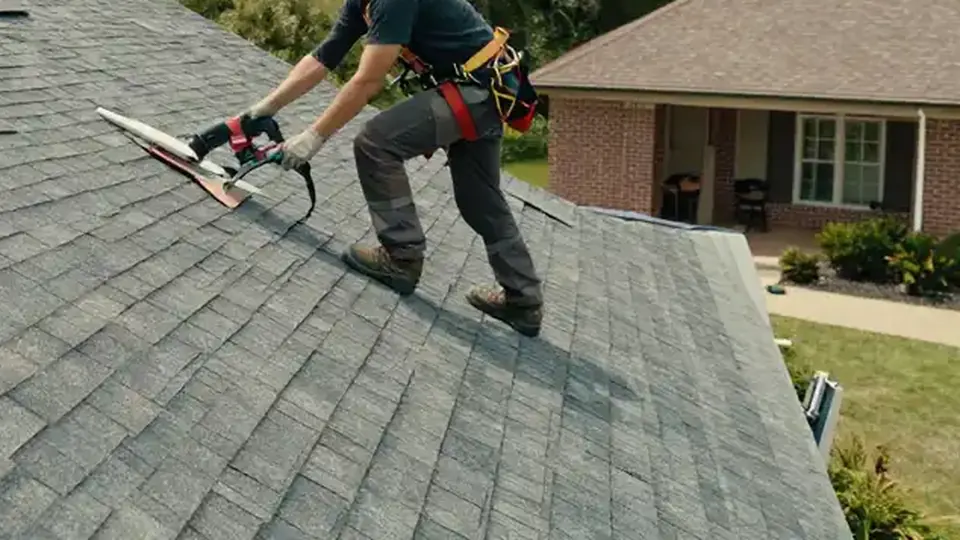
A roof inspection Baton Rouge LA homeowners schedule before small problems turn into five-figure repairs. We climb, probe, and photograph every slope, then hand you a plain-English report with photos and priorities. Whether you're buying in Mid City, selling in Downtown Baton Rouge, or filing a storm claim, you'll know exactly what your roof needs and what it doesn't.
Useful updates and clear arrival timing.
Review the approach and price before deciding.
Equipped vehicles and respectful cleanup.
Neighbors serving neighbors with follow-through.
Every inspection covers the full roof system, not just a quick look from the ladder. Here's what's included in the standard visit, and what we handle separately when you need it.
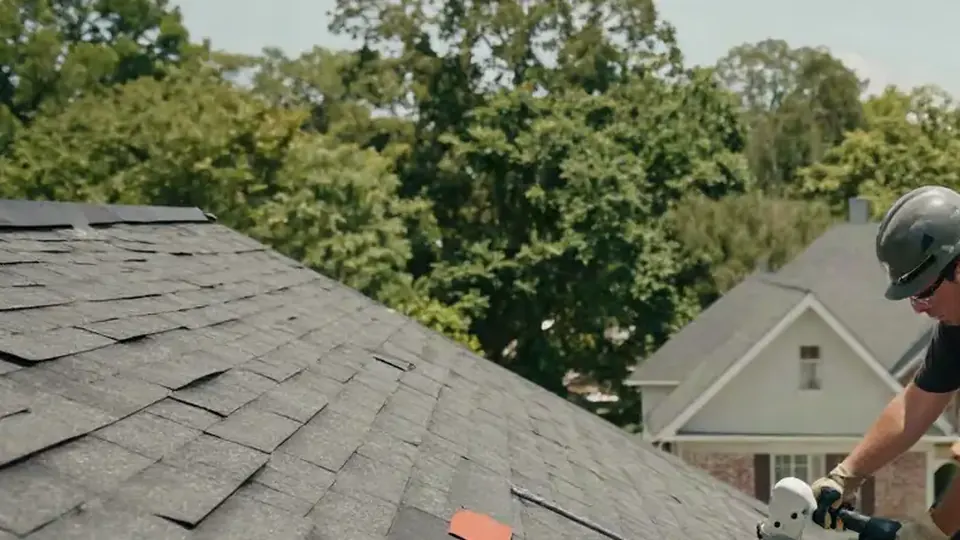
Every accessible slope gets walked and photographed. Shingles are checked for hail bruising, wind uplift, granule loss, and cracking. Flashing, valleys, pipe boots, and ridge vents are probed by hand. Steep or fragile roofs get checked from a ladder and with a camera pole.
We enter the attic and look for daylight through the decking, water staining on rafters and sheathing, nail pops, and blocked ventilation. A moisture meter confirms whether suspect areas are actively wet. This is where hidden leaks show up first, long before a ceiling stain appears.
A moisture meter reads wet decking and framing, and an infrared camera reveals temperature differences where water is trapped. Together they trace leaks back to the actual entry point, which is often 10 feet from where the stain shows up inside. No guesswork, no tearing out drywall to find the source.
You get a written report with photos of every defect, marked locations, and a priority list: fix now, watch next season, or cosmetic. Storm-damage reports include measurements and a damage narrative formatted for insurance submission. Delivered the same day in most cases.
If repairs make sense, you get a fixed price with no pressure. If the roof has life left, we'll say so and suggest a maintenance interval. Maintenance visits cover resealing exposed fasteners, replacing worn pipe boots, clearing valleys, and checking ridge vents.
Share what is happening and receive a clear next step from the local team.
A roof inspection Baton Rouge LA is a top-to-bottom evaluation of your roof system: shingles, underlayment, flashing, ridge vents, and the decking underneath. We walk every slope, check pipe boots and valleys by hand, and test suspect areas with a moisture meter and infrared camera. Attic-side, we look for daylight, water staining, nail pops, and improper ventilation. You get photos of every defect, a written summary, and a straight answer on whether you're looking at a repair or a replacement.
Baton Rouge roofs take a beating. Summer heat bakes asphalt shingles past 140 degrees, afternoon thunderstorms drive rain sideways under flashing, and spring hail leaves bruising you can't see from the ground. Algae growth streaks north-facing slopes within a few seasons. That's why a roof check Baton Rouge homeowners schedule every year catches flashing failure and wind uplift while it's still a $300 fix instead of a decking replacement.
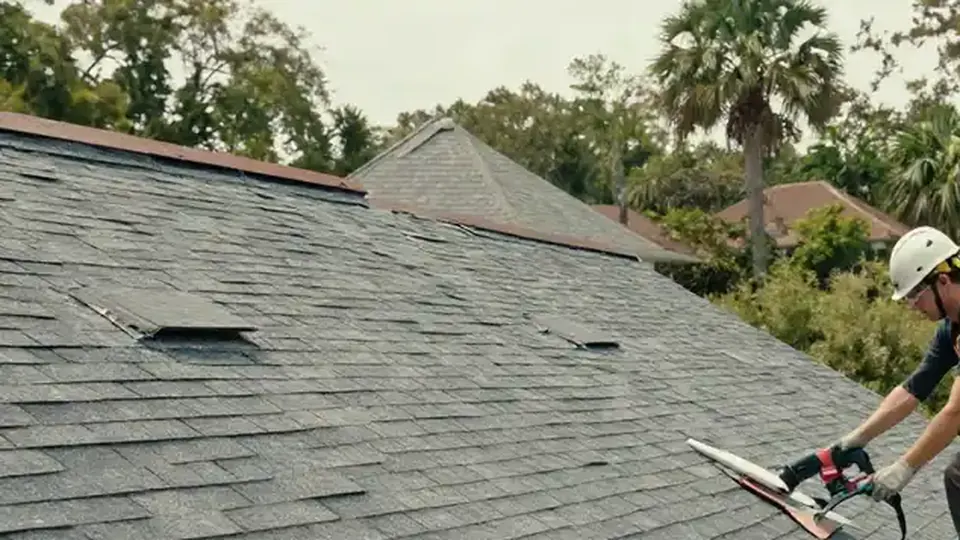
Call or book online and we'll find a window that works, including evenings and Saturdays. Same day roof inspection Baton Rouge appointments are often available for active leaks and post-storm calls. We confirm your address, roof type, and whether you've noticed any interior staining so we arrive prepared.
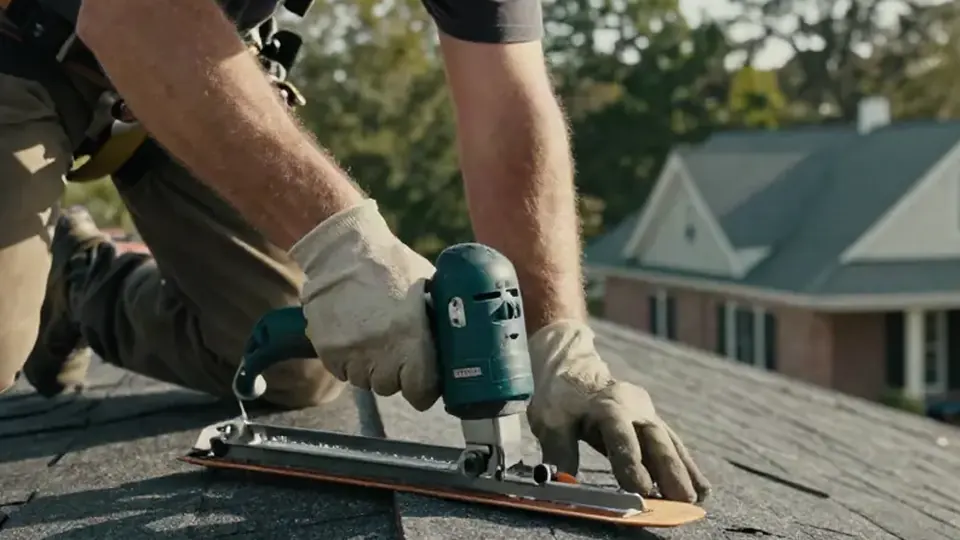
We suit up in a safety harness, set a ladder stabilizer, and walk every accessible slope. Shingles get checked for hail damage, wind uplift, and granule loss. We probe flashing, valleys, and pipe boots by hand, then photograph anything questionable. Expect 30 to 45 minutes on the roof itself for a typical single-story home.
Inside the attic we look for daylight through the decking, water staining on rafters, nail pops, and blocked soffit vents. A moisture meter confirms whether suspect areas are actively wet or just old stains. If you've reported a ceiling stain, we trace it back to the entry point rather than guessing at the nearest penetration.
You get a written report with photos of every defect, marked-up locations, and a priority list: what needs attention now, what can wait a season, and what's purely cosmetic. If we found storm damage, the report is formatted for insurance submission with measurements and a damage narrative.
We call or meet you to go through the findings in plain English. No pressure, no scare tactics. If a repair makes sense, you get a fixed price. If the roof has life left, we'll tell you that too and suggest a maintenance interval. You decide what happens next.
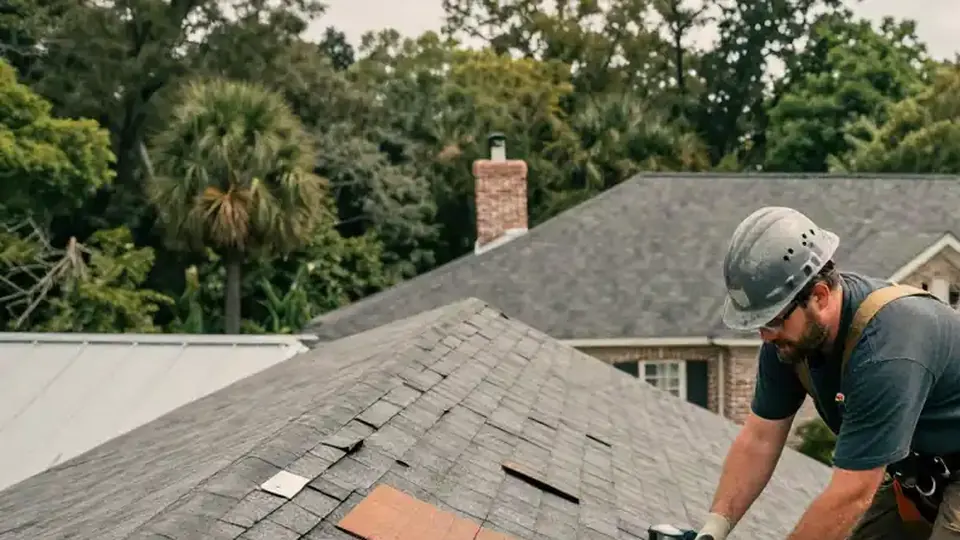
Reads moisture content in decking, rafters, and insulation. Confirms whether a stain is old or actively wet, and helps trace leaks to their source.
Reveals temperature differences caused by trapped water. Finds hidden leaks behind ceilings and inside wall cavities without tearing anything open.
Keeps ladders off gutters and crews secured on steep pitches. Every inspector works at height with fall protection, no exceptions.
Used on the spot for minor fixes: reseating popped nails, sealing exposed fasteners, and re-caulking small flashing gaps during the inspection.
Cuts test sections and trims replacement shingles to match existing courses when a repair is performed the same day.
We inspect the roof as a system: shingles, underlayment, flashing, ventilation, and decking. A roof that looks fine from the ground can have failed flashing or blocked ridge vents. Checking every component in order means nothing gets skipped.
When we find a leak, we map the wet area with a moisture meter and infrared camera, then work backward to the entry point. This is how we avoid the most common mistake in leak repair: patching the wrong spot and watching the stain come back.
As a GAF Master Elite and Owens Corning Preferred Contractor, we document inspections to manufacturer standards. That matters if you ever file a warranty claim, because the paperwork shows the roof was maintained and inspected correctly.
Storm-damage reports include date-stamped photos, slope measurements, and a damage narrative written the way adjusters read them. Homeowners across East Baton Rouge County have used our reports to get claims approved on the first submission.
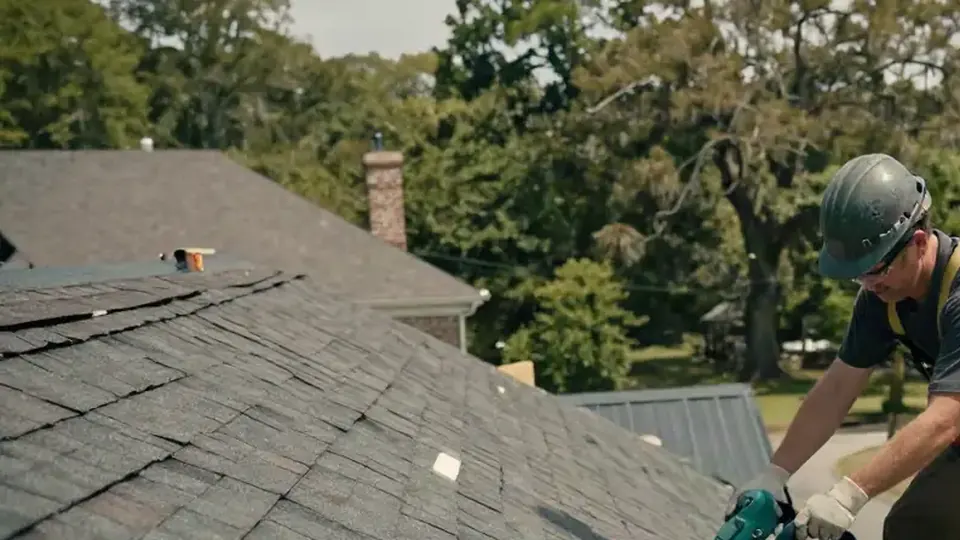
We perform a pre-listing inspection with photos, remaining-life estimates, and documentation of any recent repairs. The report goes into the disclosure packet and answers the roof question before it becomes a negotiation. Buyers see a documented, maintained roof instead of a question mark. Deals close faster, and roof credits come off the table.
We inspect for hail bruising, wind uplift, and granule loss, then document findings with date-stamped photos and measurements. If damage is real, the report is formatted for your insurance claim. You either get a clean bill of health or a claim-ready report. Either way, you're not guessing, and you're not filing a claim you can't support.
We prioritize active leaks for same-day or next-morning scheduling, trace the water to its entry point, and repair the source. You get photos of the actual defect, not just the stain. The leak stops, the repair is documented, and you know whether the stain was a one-time event or a symptom of something bigger.
We evaluate shingle condition, flashing, ventilation, and decking, then give you a realistic remaining-life estimate. If maintenance will add years, we'll say so. If replacement is coming, you'll have time to plan and budget. No surprise replacement. You know your roof's timeline and can schedule the work on your terms instead of after a failure.
Baton Rouge roofs live in a specific kind of misery. Summer attic temperatures push past 140 degrees, baking asphalt shingles until they crack. Afternoon thunderstorms drop two inches of rain in an hour and drive it sideways under flashing. Spring hail bruises shingles in ways you can't see from the ground. And the humidity never quits, feeding algae growth on every north-facing slope in East Baton Rouge County. We inspect with all of that in mind. Older homes in Mid City and Downtown Baton Rouge often have layered roofs, patched flashing, and original decking that needs a closer look. Newer construction in 70808 and 70809 gets checked for installation defects while the builder warranty is still active. If you're searching for a licensed roof inspector Baton Rouge LA homeowners recommend, we're on roofs across the parish every week.
Older bungalows with layered shingle roofs and decades of patch repairs. We check for brittle shingles, failing flashing, and decking that's been wet before.
Mix of historic homes and newer infill. Flat and low-slope sections need TPO membrane and EPDM rubber checks that standard shingle inspections miss.
Newer construction where installation defects show up in the first few years. We document findings for builder warranty claims.
Established neighborhoods with mature trees. Debris in valleys and shaded slopes with algae growth are the most common findings.
Accelerates granule loss and makes shingles brittle. Roofs here age faster than the manufacturer's rating suggests, which is why annual inspections matter more than the warranty timeline.
Drives water under flashing and into pipe boots. Most leaks we find start at these details, not in the field of shingles, and they show up weeks after the storm.
Bruises shingles and knocks granules loose. Damage is often invisible from the ground, so post-storm inspections are the only reliable way to document a claim.
Black streaks on north-facing slopes are cosmetic at first but signal moisture breaking down the shingle surface. Left alone, they shorten roof life by years.
A homeowner in 70808 called after a brown stain spread across a bedroom ceiling following a storm. Two other roofers quoted full slope replacement. The roof was nine years old and otherwise in good shape.
Our inspection found a cracked pipe boot, not shingle failure. We replaced the boot, resealed the surrounding flashing, and documented the repair with photos. Total cost: $285 instead of the $6,800 replacement quote.
Maintenance: We recommended an annual roof inspection Baton Rouge schedule to catch boot and flashing wear before it reaches the ceiling again. The homeowner now books every spring.
A homeowner near 70809 filed a hail claim that was denied for lack of documentation. The roof had visible bruising but no measurements, no damage narrative, and no date-stamped photos.
We inspected all slopes, measured hail hits per square, and photographed bruising on 14 shingles. The report went back to the insurer with a proper damage narrative. The claim was approved for a full slope replacement.
Maintenance: After replacement, we set up annual inspections to keep the warranty valid and document any future storm damage while it's fresh.
A seller in Downtown Baton Rouge was three weeks from closing when the buyer's agent raised roof concerns. The roof was 12 years old with no documentation of repairs or condition.
Our pre-sale inspection documented remaining life at 8 to 10 years, photographed recent flashing repairs, and confirmed no active leaks. The buyer accepted the report and the roof contingency came off the contract.
Maintenance: The new owners scheduled a roof check Baton Rouge visit for the following spring to start a maintenance record on their end.
Most roofs we inspect have one of these five issues. Each one is cheap to fix early and expensive to ignore. Here's what we look for and what happens if it's left alone.
Water travels along rafters before it drips, so the stain is rarely under the actual hole. By the time you see it, decking and insulation are often wet, and mold can start within 48 hours. We trace the leak with a moisture meter and infrared camera to find the true entry point, then repair the flashing, boot, or shingle causing it. Most leak repairs are done in a single visit for a few hundred dollars.
One missing shingle exposes the underlayment to direct rain. Adjacent shingles lose their seal and lift in the next storm, turning a small repair into a full slope replacement within a season. We document wind uplift with photos and measurements, replace damaged shingles with matching material, and reseal surrounding courses. If damage is widespread, the report supports an insurance claim for full slope replacement.
Flashing takes the most abuse of any roof component and fails first. Cracked or lifted flashing lets water straight into the decking at the roof's most vulnerable points, usually above living space. We probe every flashing detail by hand, reseal what's serviceable, and rebuild what isn't with new ice and water shield and metal. This is the single most common source of leaks we find in Baton Rouge.
Baton Rouge humidity feeds algae that streaks north-facing slopes black. The same moisture breaks down shingle granules, thinning the protective layer and shortening roof life by years. We identify algae versus simple dirt, recommend cleaning where appropriate, and check whether granules are still protecting the asphalt. If granule loss is advanced, we'll tell you honestly how many seasons the roof has left.
Our inspectors are state-licensed through the Louisiana State Licensing Board for Contractors and carry OSHA 10 and OSHA 30 safety training, which matters every time someone steps on a pitch. We're a GAF Master Elite and Owens Corning Preferred Contractor, so we inspect to manufacturer standards that keep warranties intact. We've walked thousands of Baton Rouge roofs, from 1920s bungalows in Mid City to new construction in 70809, and we know exactly where this climate attacks first.
Called after a ceiling stain showed up following a storm. They were on the roof the next morning and traced the leak to a cracked pipe boot, not the shingles I was sure were ruined. Fixed it for a couple hundred bucks and sent photos of everything. Saved me from a full replacement I didn't need.
We needed a roof inspection for real estate before listing our house near 70802. The report was thorough enough that the buyer's inspector didn't find anything we hadn't already documented. Closing went through without a single roof negotiation. Worth every penny.
Hail came through and I had no idea if my roof was damaged. Their report had date-stamped photos, slope measurements, and a damage narrative my adjuster accepted without pushback. Full slope replacement approved on the first submission. These guys know how to document a claim.
Most inspections run $150 to $450 in 2026, depending on roof size, pitch, and whether you need insurance documentation. Storm-damage and insurance-claim inspections are free. Pre-sale inspections and annual maintenance checks fall in the standard range. Two-story homes and steep pitches take longer and cost toward the top of that range.
Once a year, ideally in spring before storm season, plus after any hail or wind event. Baton Rouge heat and humidity age shingles faster than northern climates, so annual roof inspection Baton Rouge schedules catch small failures before they reach your decking. If your roof is over 15 years old, twice a year is smart.
We check shingles for hail bruising, wind uplift, and granule loss; flashing and pipe boots for cracks; valleys for debris and wear; ridge vents for blockages; and attic-side for daylight, staining, and nail pops. A moisture meter and infrared camera confirm active leaks. Algae growth and improper ventilation are common findings here.
Yes. We trace leaks to their actual entry point rather than the ceiling stain, which can be 10 feet away. A moisture meter reads wet decking and rafters, and an infrared camera reveals temperature differences where water is present. Most hidden leaks are found during a standard inspection, even when the roof looks fine from the ground.
Not seeing your question? Our local team can help you understand urgency, scheduling and what to expect.
Ask the local team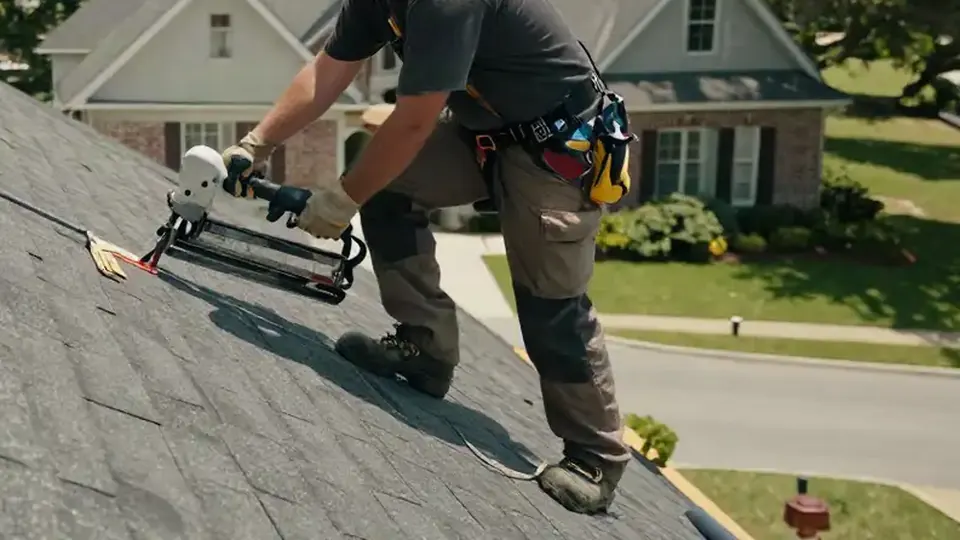
If your inspection shows a roof at the end of its life, we install GAF, Owens Corning, and CertainTeed systems built for Baton Rouge heat and hail. New underlayment, ice and water shield, and ridge vents go in as one warrantied assembly.
View service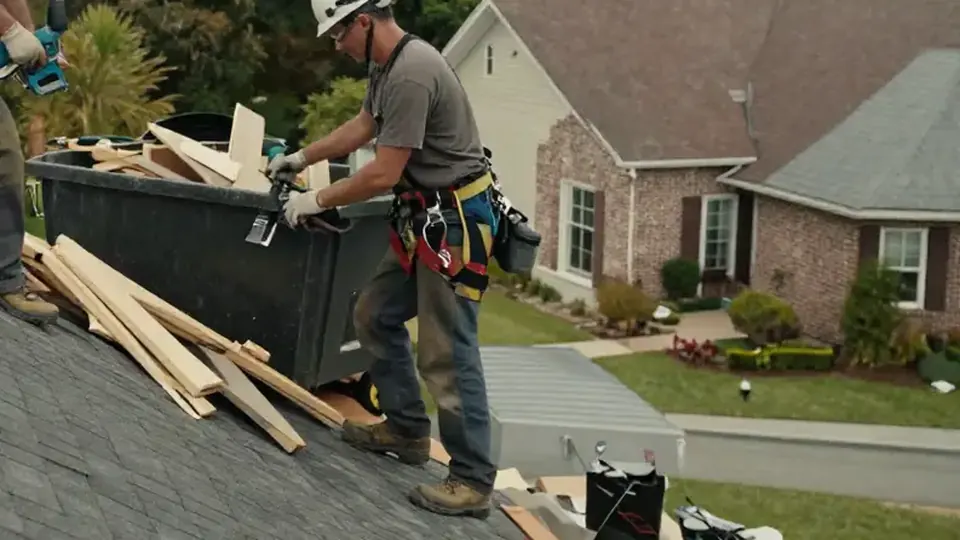
When repairs stop making financial sense, we tear off and replace with architectural shingles rated for 130 mph winds. Inspection findings become the scope of work, so nothing gets missed and nothing gets added later.
View service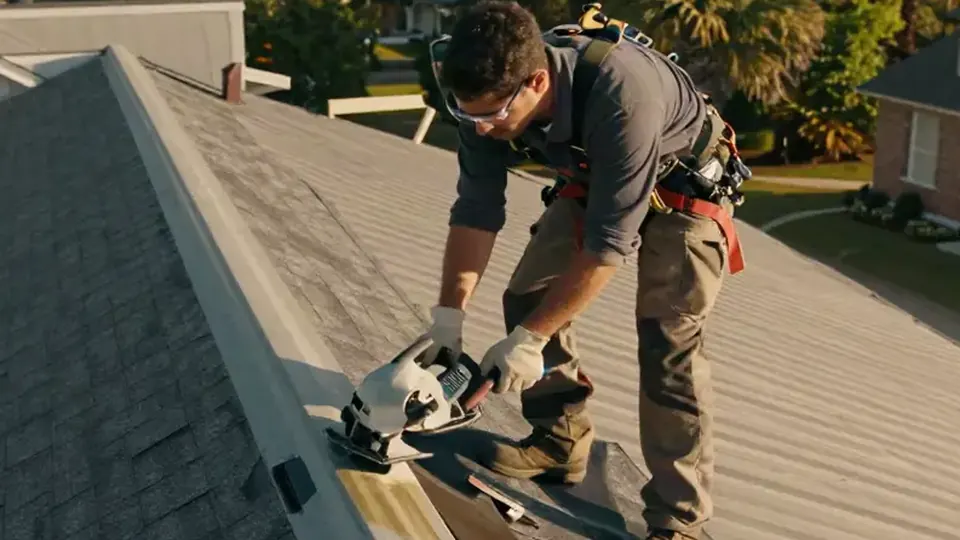
Most inspections that find a leak end with a same-week repair: flashing resealed, pipe boot replaced, or a small section of shingles matched and swapped. We fix the source, not the stain on your ceiling.
View service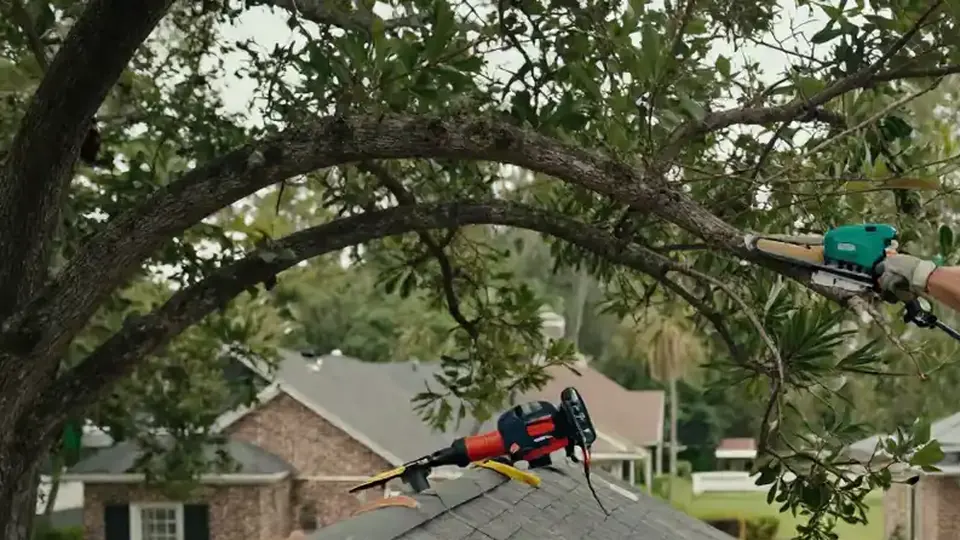
Annual maintenance keeps your inspection report clean. We reseal exposed fasteners, clear valleys, check ridge vents, and replace worn pipe boots before they fail. It's the cheapest line item on any roof budget.
View service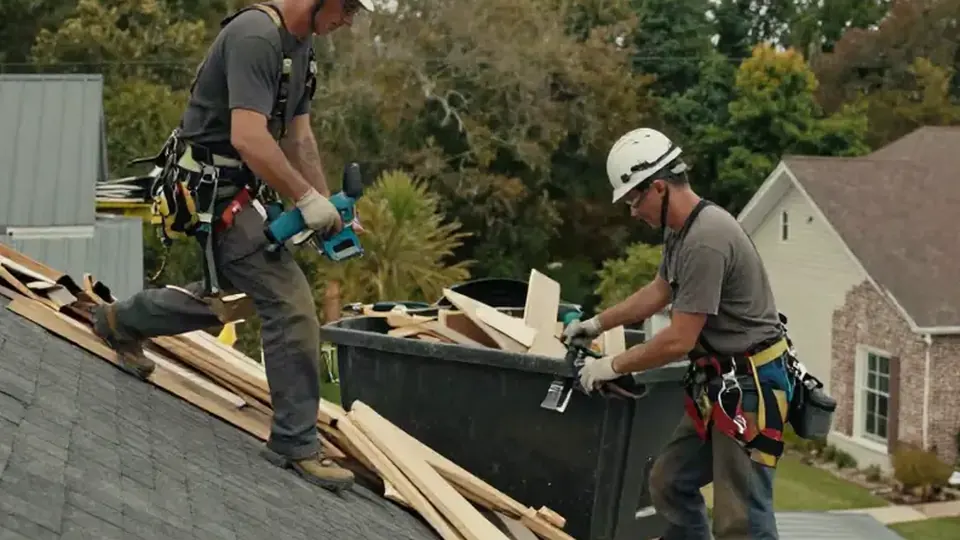
Call us or send a message and we will get back to you the same business day. We schedule inspections within 24 to 48 hours, and storm calls jump the line. Our office is open Monday through Friday, 8:00 to 18:00, with 24/7 emergency response for active leaks and storm damage.