Focused arrival windows
Useful updates and clear arrival timing.
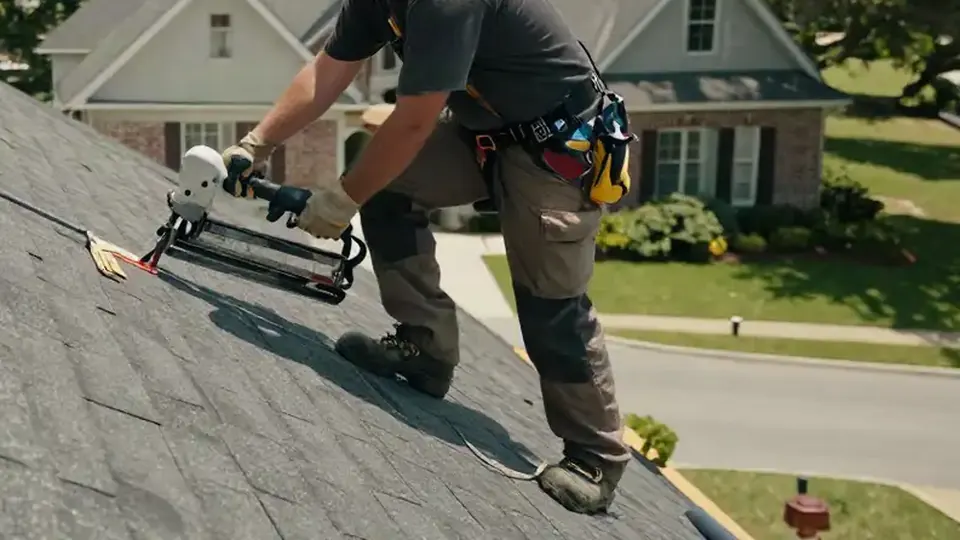
When you need roof installation Baton Rouge LA homeowners can count on, our crew tears off the old deck, replaces rotten sheathing, and installs a new roofing system rated for Gulf wind and summer heat. We handle asphalt shingle, metal, and flat TPO roofs across East Baton Rouge County, pull the permit, and clean the yard before we leave. Free estimates, no deposit.
Useful updates and clear arrival timing.
Review the approach and price before deciding.
Equipped vehicles and respectful cleanup.
Neighbors serving neighbors with follow-through.
Every full roof installation includes the tear-off, the deck inspection, and the code-required layers. Here is what is standard on our jobs, and what we treat as an add-on so there are no surprises on the invoice.
We strip every layer of old roofing down to the sheathing and haul it away in dumpsters we place and remove ourselves. No old shingles left in your yard, no debris in the gutters. Tear-off is included in every quoted price, never billed as an extra.
Every sheet of plywood gets checked for soft spots, delamination, and water staining. We replace rotten decking at a per-sheet price you approve before we buy it. A solid deck is what keeps your new shingles flat and your warranty valid.
We install ice and water shield in valleys, along eaves, and around penetrations, then roll synthetic roofing felt across the field. These layers are what actually stop leaks when wind drives rain sideways, which happens here every summer.
Drip edge, pipe boots, chimney flashing, and ridge vents are all replaced, not reused. Old flashing is the most common leak source we find on tear-offs. New ridge and soffit ventilation keeps your attic cooler and extends shingle life.
We pull the East Baton Rouge Parish permit, meet the inspector, and register your manufacturer warranty in your name. You get the paperwork at the final walkthrough. Labor warranty and material warranty are both in writing before we start.
Share what is happening and receive a clear next step from the local team.
Roof installation Baton Rouge LA is the full tear-off and rebuild of your roof deck, underlayment, flashing, and finish surface, not a patch or a shingle overlay. We strip the old material down to the sheathing, replace any soft or delaminated plywood, then build back up in layers: ice and water shield in the valleys, synthetic roofing felt across the field, new drip edge, and your chosen finish. Every penetration gets new roof flashing, and every ridge gets a vented cap so your attic can breathe.
Baton Rouge roofs take a beating. Summer attic temps push past 140 degrees, afternoon thunderstorms drop hail sideways, and hurricane season brings wind uplift that peels cheap three-tab shingles off in sheets. If your roof is 15 to 20 years old, showing algae growth, or you have found missing shingles after a storm, a new roofing system Baton Rouge is cheaper than chasing leaks for another season. We see it every week in Mid City and Downtown Baton Rouge.
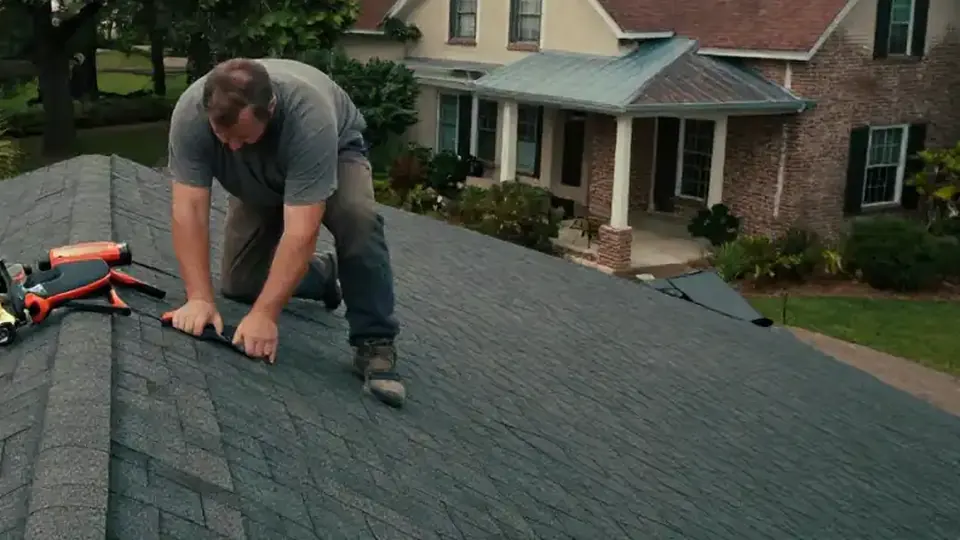
We walk the roof, check the deck from the attic side with a moisture meter, and photograph every problem area. You get a written scope with material options and a fixed price, usually the same day you call. No pressure, no deposit.
We pull the roof installation permit through East Baton Rouge Parish and order materials. Shingles, underlayment, ice and water shield, and flashing get delivered to your driveway on the morning of the job, not days early where they can be damaged or stolen.
The crew strips the old roof down to bare sheathing, using shingle cutters and pitch hoists to move material safely. We inspect every sheet of plywood and replace anything soft, delaminated, or water-stained. Rotten decking is the number one reason a new roof fails early.
We install ice and water shield in valleys and along eaves, roll out synthetic felt, set new drip edge, and nail the finish roof with a roofing nail gun at the manufacturer's pattern. Ridge vents, pipe boots, and chimney flashing get detailed by hand. Most homes take one to two days.
We run a magnetic sweeper across the lawn and driveway twice, haul off every scrap, and walk the finished roof with you. You get the warranty paperwork, the permit sign-off, and our phone number for anything that comes up after we leave.
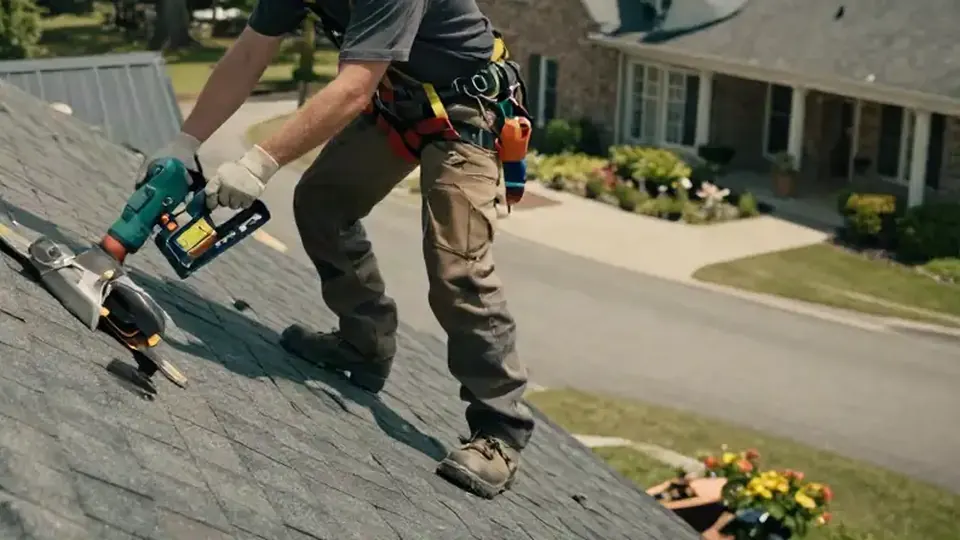
Drives shingle nails at the correct depth and pattern. Over-driven or under-driven nails are the leading cause of wind uplift, so we set the pressure and check it throughout the day.
Lifts bundles of shingles onto steep slopes without damaging the roof or risking a fall. The ladder stabilizer keeps our access ladder from denting gutters or slipping on wet siding.
Finds hidden deck rot and active leaks from the attic side. These two tools are why we catch problems other roofers miss during the initial inspection.
Cuts clean edges at hips, valleys, and rake lines. Clean cuts matter for both appearance and warranty, because ragged edges are where wind starts lifting shingles.
Seals flashing details with the correct roofing sealant and keeps our crew tied off on every pitch. Safety gear is not optional on a two-story Baton Rouge roof.
Every shingle line we install follows the manufacturer's nailing pattern exactly, usually four or six nails per shingle depending on wind zone. This is what makes a 130 mph wind warranty valid. Miss the pattern and the warranty is void, no matter how good the shingles are.
We install self-adhering ice and water shield in every valley, along eaves, and around penetrations before any felt goes down. This is the layer that saves your ceiling when wind-driven rain pushes up under shingles during a Gulf storm.
We match soffit intake vents to ridge exhaust vents so air moves through the attic instead of cooking in it. Balanced ventilation drops attic temperature, extends shingle life, and cuts summer cooling costs.
Every chimney, wall, and pipe penetration gets new flashing installed in the correct sequence with the correct laps. We do not reuse old flashing and we do not rely on sealant alone. Flashing is metal work, and it has to be done right.
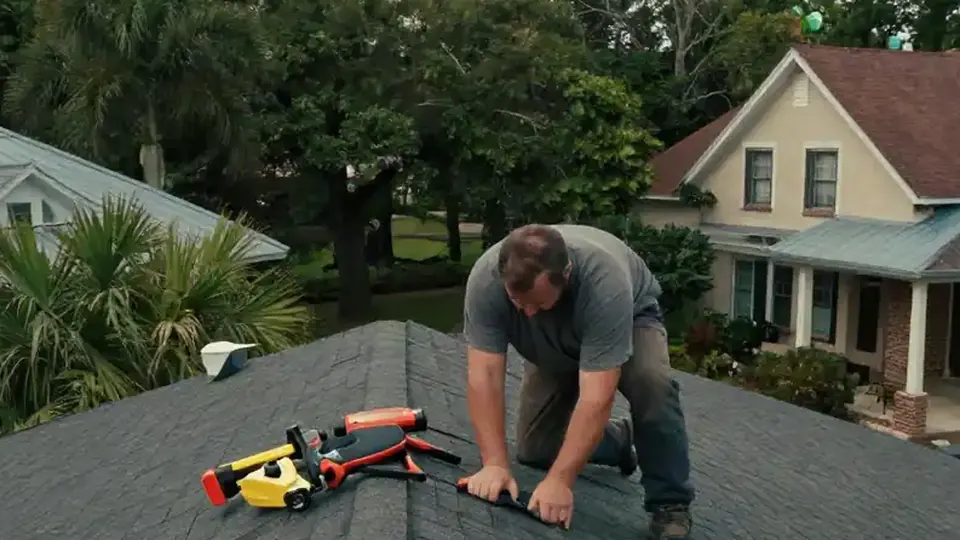
We tore off all three layers, replaced 14 sheets of rotten plywood, rebuilt the chimney flashing, and installed architectural shingles with a ridge vent. The job took two and a half days. The homeowner stopped patching a leak every spring and passed a home inspection clean when they sold the house two years later.
We documented the damage with photos, worked directly with the adjuster on the scope, and installed a full GAF system with ice and water shield and new flashing throughout. The claim covered the replacement, and the homeowner paid only their deductible. The registered system warranty transferred with the house.
We removed the failing rolled roofing, replaced the rotted decking, and installed a heat-welded TPO membrane with proper slope toward a new drain. No more ponding, no more tenant leak calls, and the owner got a 15-year membrane warranty on the flat section.
Baton Rouge roofs live in a specific climate: hot, humid summers, heavy afternoon thunderstorms, and a hurricane season that runs June through November. That combination drives what we install. We use algae-resistant shingles because our humidity feeds the black streaking you see on older roofs. We install ice and water shield in every valley because Gulf storms drive rain sideways, not down. And we nail to the high-wind pattern because a 90 mph gust will find any shingle that was tacked in with four nails and a bad angle. Building stock matters too. Downtown Baton Rouge and Mid City have a lot of 1940s to 1970s homes with steep pitches, original 1x plank decking, and chimneys that need custom flashing. Newer subdivisions in 70808 and 70809 tend to have lower slopes and more complex roof lines with multiple valleys. We quote the decking honestly, because on older homes we almost always find some rot once the old shingles come off. If you are looking for the best roof installation company Baton Rouge Louisiana, ask what they do when they find rotten decking. The answer tells you everything.
Older bungalows with steep pitches and plank decking. We often find original 1x sheathing that needs overlay before shingles go down.
Historic homes with complex rooflines and masonry chimneys. Custom flashing work is standard here, not optional.
Mix of 1960s ranches and newer builds. Many roofs here are on their second or third layer and ready for a full tear-off.
Newer subdivisions with multi-valley roof lines. We see a lot of wind uplift at hip and ridge intersections after storms.
Heat breaks down shingle asphalt from underneath and shortens roof life. Balanced ridge and soffit ventilation is the fix, and we install it on every job.
Sustained winds and gusts peel shingles that were nailed to a low standard. We install to the high-wind nailing pattern so your warranty actually covers storm damage.
Louisiana humidity feeds algae that streaks roofs black and loosens granules. Algae-resistant shingles with a 25-year warranty are the standard we recommend here.
Driving rain finds every flashing failure and underlayment gap. Ice and water shield in valleys and eaves is what keeps those storms out of your ceiling.
A 1968 bungalow with three layers of shingles, active leaks over the back bedroom, and soft decking around the chimney. The homeowner had patched it twice in two years and was tired of the cycle.
We tore off all three layers, replaced 14 sheets of plywood, rebuilt the chimney flashing, and installed architectural shingles with a ridge vent. The job took two and a half days. No leaks through the next two storm seasons.
Maintenance: We recommend a fall inspection to clear valley debris and check the chimney flashing. Keeping gutters clean protects the new drip edge and prevents water from backing up under the eaves.
A 1990s ranch with hail-bruised shingles and granule loss across the south slope. The insurance adjuster had approved a replacement, but the homeowner needed a contractor who would document the scope properly.
We photographed the damage, worked with the adjuster, and installed a full GAF system with ice and water shield and new flashing. The claim covered the work, and the homeowner paid only the deductible. Registered warranty transferred with the house.
Maintenance: After any hail event, walk the yard and look for granules in the gutters. A quick inspection after a storm catches bruising before it turns into a leak. We offer free post-storm inspections.
A rental property with a flat porch roof that had ponded water for years. The rolled roofing was cracked, the decking underneath was rotted, and tenants had complained about a leak over the entry.
We removed the failing roofing, replaced the rotted decking, and installed a heat-welded TPO membrane with proper slope toward a new drain. The flat section now carries a 15-year membrane warranty, and the leak calls stopped.
Maintenance: Twice a year, check the drain for leaves and debris. Ponding water is the enemy of any flat roof, and keeping the drain clear is the single easiest thing a property owner can do.
Most Baton Rouge roofs do not fail overnight. They fail slowly, through small problems that get ignored until water is coming through the ceiling. Here is what we fix.
Every missing shingle exposes the underlayment to UV and rain. The next storm lifts the shingles beside it, and the leak starts at the nail line, not where the shingle blew off. We tarp the exposed area fast, then assess whether a repair or full replacement makes sense. If more than 20 percent of a slope is damaged, replacement is usually the smarter money. We quote both options honestly.
Flashing failure is the number one leak source on Baton Rouge roofs. Water tracks along the framing and shows up as a ceiling stain far from the actual entry point, so homeowners patch the wrong spot. We use moisture meters and infrared cameras to trace the leak to its real source, then rebuild the flashing detail with new metal and proper sealant. No smearing tar over a problem and hoping it holds.
Louisiana humidity feeds algae that streaks your roof black and shortens shingle life. It is cosmetic at first, then the granules loosen and the shingle starts to fail. We install algae-resistant architectural shingles from GAF and CertainTeed that carry a 25-year algae warranty. On roofs that still have life, we clean and treat the streaks instead of pushing a replacement you do not need.
Ponding water finds every seam and eventually rots the deck underneath. On flat porches and additions, standing water is a structural problem, not just a leak problem. We install TPO membrane or EPDM rubber on low-slope sections with proper slope and drainage. TPO seams are heat-welded, not glued, so they hold up to Louisiana sun and standing water far better than patched flat roofs.
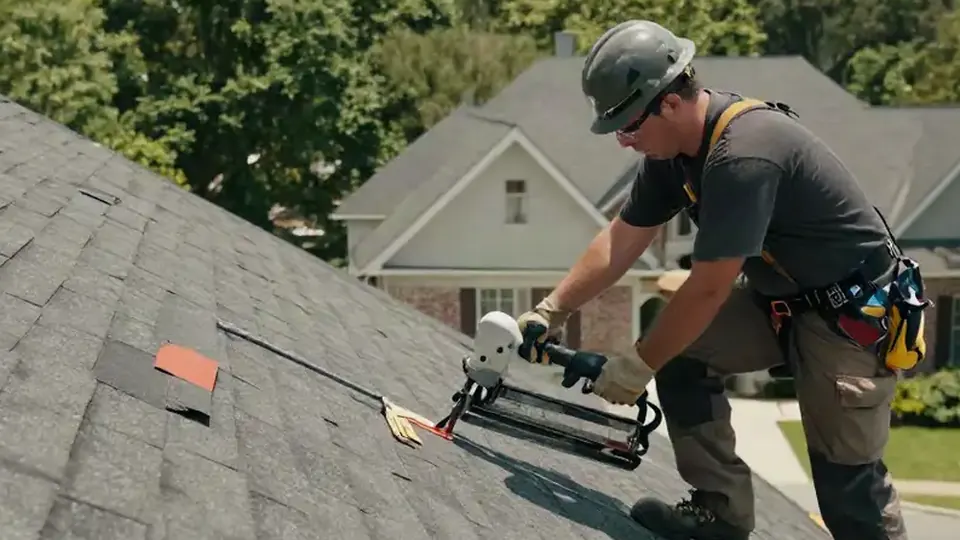
Our crews have installed roofs across Baton Rouge through hurricane seasons, hail events, and 100-degree summers. We know how local code inspectors want flashing detailed, how Louisiana humidity affects underlayment adhesion, and which shingle lines actually hold up on a west-facing slope that bakes all afternoon. We hold Louisiana State Licensing Board for Contractors (LSLBC) licensing, carry OSHA 10 and OSHA 30 safety training, and install manufacturer-certified systems from GAF, Owens Corning, and CertainTeed. That means your warranty is registered, your deck is code-correct, and your roof is built for this climate, not a catalog photo.
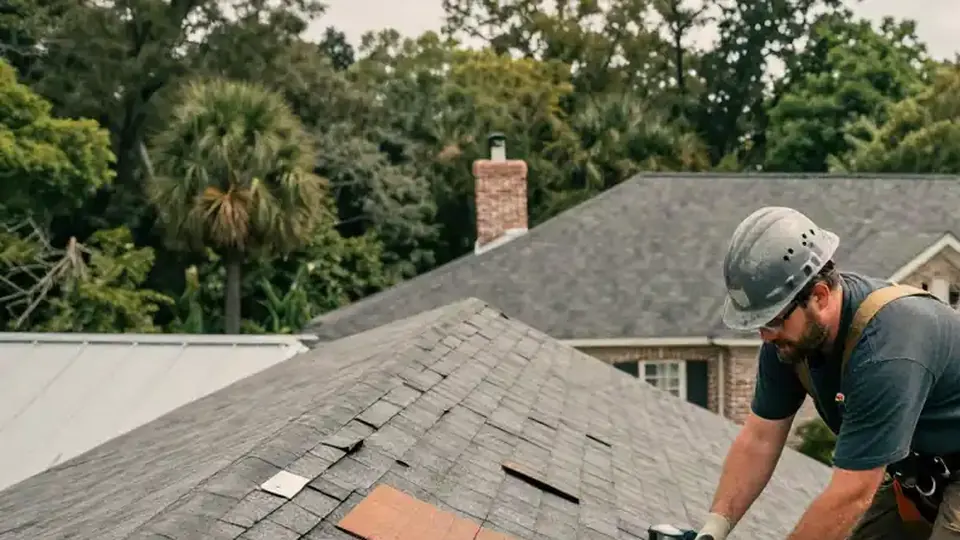
We had three roofers quote us and Red Stick was the only one who actually got in the attic with a moisture meter. They found two sheets of rotten decking the others missed. New architectural shingles went on in a day and a half, and they swept the yard twice. Zero nails left behind. Price matched the quote exactly.
After the last storm we had shingles in the yard and a leak over the kitchen. They tarped it the same night I called and came back that week for a full install. The crew was respectful, cleaned up every day, and walked me through the warranty paperwork. Our attic is noticeably cooler this summer.
I manage four rental houses and have used Red Stick on two roof installations now. They pull the permit, pass inspection, and send me photos of the finished deck before the shingles go on. That level of proof matters when you are not on site. Both roofs have been leak-free through two hurricane seasons.
Most asphalt shingle roof installations in Baton Rouge run $9,500 to $18,000 for an average 2,000 square foot home in 2026, depending on pitch, layers to tear off, and decking condition. Metal roofing runs $18,000 to $35,000. Flat TPO or EPDM systems price by the square. We give you a fixed written number after a free inspection, so you know the total before we start.
A standard shingle tear-off and install takes one to two days for most Baton Rouge homes. Larger roofs, steep pitches, or significant deck replacement can push it to three days. We tarp the roof at the end of each day so your home is never left open to rain, and we tell you the schedule up front so you can plan around it.
Architectural asphalt shingles are the best value for most Baton Rouge homes. They handle 110 to 130 mph wind, resist algae growth, and cost far less than metal. Metal roofing panels last longer and reflect heat, which helps in our summers. For flat or low-slope sections, TPO membrane and EPDM rubber outperform shingles every time. We match the material to your roof pitch and budget.
Yes. East Baton Rouge Parish requires a roofing permit for tear-off and replacement work, and the job must pass inspection. We pull the permit for you and meet the inspector on site. Skipping the permit can void your manufacturer warranty and cause problems when you sell the house, so we never cut that corner.
Not seeing your question? Our local team can help you understand urgency, scheduling and what to expect.
Ask the local team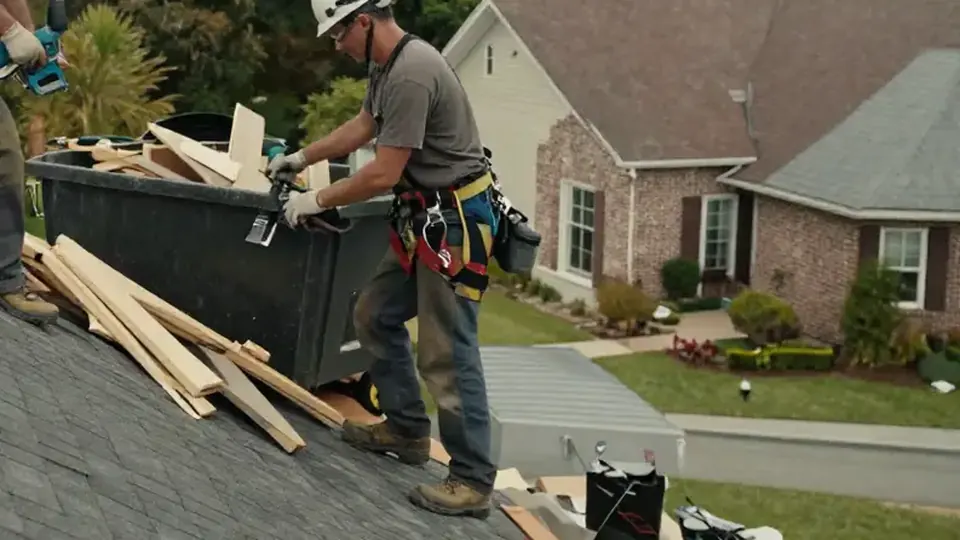
Roof replacement is the same tear-off and rebuild as a full install, just framed around an existing roof that has reached end of life. If your shingles are curling, granule loss is heavy, or you have had two repairs in a year, replacement beats another patch.
View service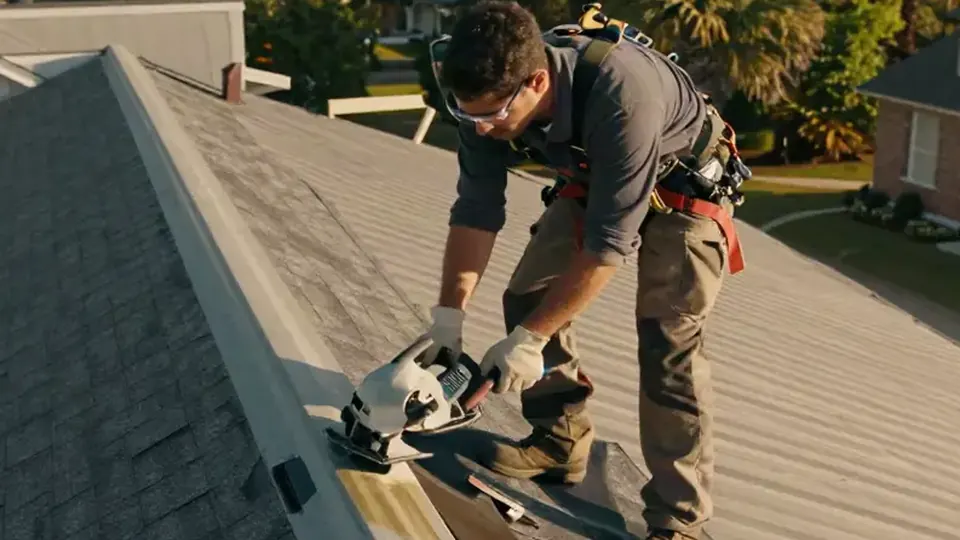
We track leaks with moisture meters and infrared cameras, then fix the actual source, not the ceiling stain. Common culprits are flashing failure at chimneys, cracked pipe boots, and nail pops. If the leak is isolated, repair is far cheaper than a full install.
View service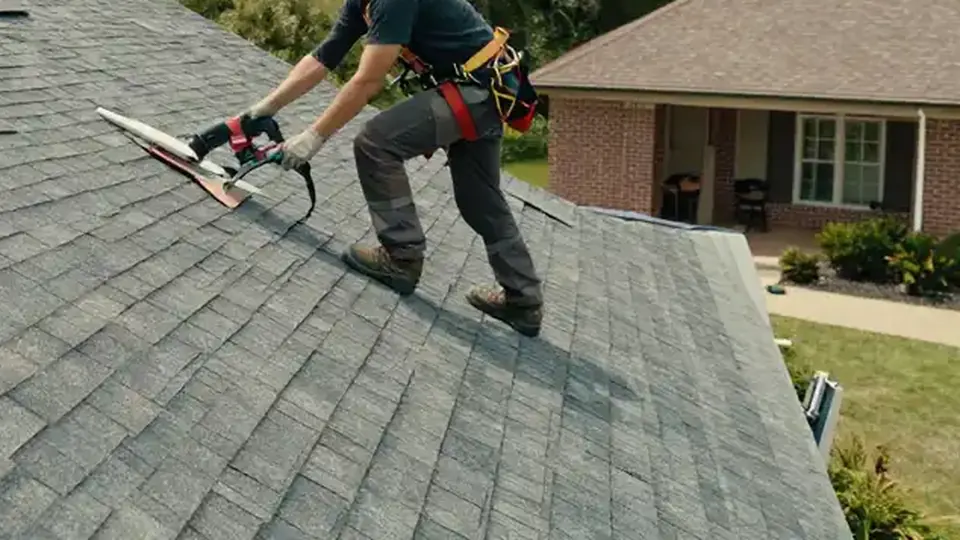
A roof inspection tells you whether you need a repair, a replacement, or nothing at all. We check decking, flashing, ventilation, and shingle condition, then give you photos and a straight answer. Great before buying a home or filing an insurance claim after hail.
View service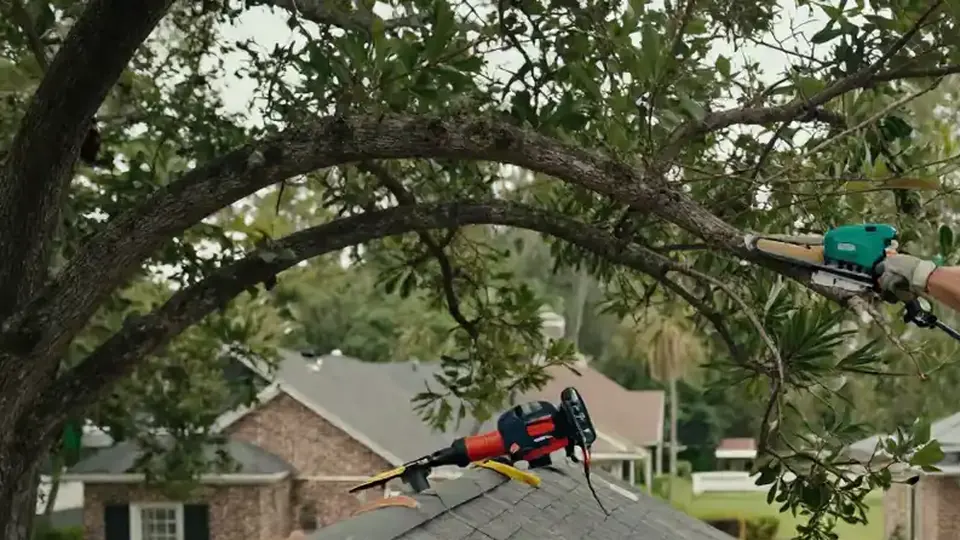
Twice-a-year maintenance clears debris from valleys, reseals exposed fasteners, and catches small problems before they become leaks. In Baton Rouge, fall and spring are the right times. Maintenance is the cheapest way to stretch a new roof toward the end of its warranty.
View service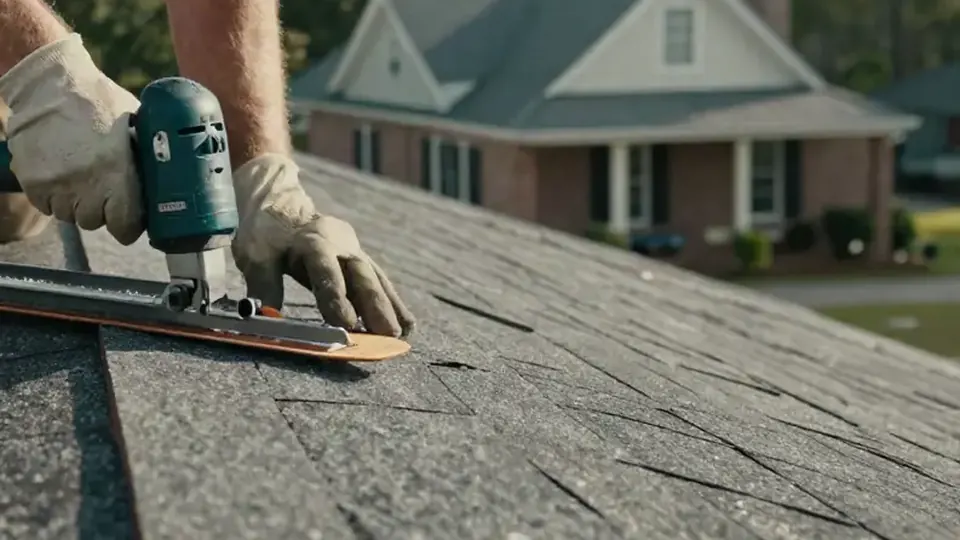
Call us or send a message and we will get back to you the same business day. We schedule inspections within 24 to 48 hours, and storm calls jump the line. Our office is open Monday through Friday, 8:00 to 18:00, with 24/7 emergency response for active leaks and storm damage.